

Why Plated Jewellery Tarnishes and Turns Your Skin Green
There is nothing more frustrating than finding the perfect necklace, only to discover that it leaves a green halo around your neck. This guide explains why plated jewellery tarnishes and can cause discolouration on your skin.
 Ph. Cottonbro (Pexels.com)
Plated jewellery can tarnish quickly, turn your skin green, or even cause irritation. Learn how to care for your plated items and find durable alternatives.
What Is Plated Jewellery And Why Does It Tarnish?
Plated jewellery is made by coating a base metal – usually brass, copper, or nickel – with a thin layer of a more desirable metal, such as gold, silver, or rhodium. The coating is often less than 1 micron thick, which means it is incredibly delicate and wears off quickly with regular use.
When the plating fades, the base metal is exposed. These base metals are reactive, particularly in the presence of sweat, moisture, perfume, and skincare products. This reaction is what causes green stains on your skin or the dull, discoloured appearance of your once-glossy necklace.
Why Plated Jewellery Turns Skin Green
Here is what is happening on a chemical level:
- Copper oxidation: Copper is often used as a base metal in plated jewellery. When it reacts with oxygen, water, and acids from your skin or environment, it forms copper carbonate, commonly known as patina. That is the green residue you see on your skin.
- Nickel irritation: Nickel, another common base metal, is one of the most prevalent allergens in the world. Even trace amounts can cause itching, rashes, or redness in people with sensitive skin.
- Moisture and pH: Our skin has a natural pH, and some people’s is more acidic than others. Sweat and skin oils can speed up the breakdown of plating, especially in hot or humid conditions.
What You Can Do If Your Jewellery Is Already Turning Your Skin Green
 Ph. Adrienne Andersen (Pexels.com)
If you already own some plated pieces, there are ways to extend their life and protect your skin:
1. Use A Clear Barrier
Apply a layer of clear nail polish on the back of the jewellery (the part that touches your skin). This creates a protective barrier that prevents direct contact between your skin and the reactive metal.
Tip: Reapply the polish every couple of wears, as it may flake off over time.
2. Avoid Moisture
Remove your jewellery before showering, swimming, or exercising. Water and sweat speed up the tarnishing process and increase the risk of skin discolouration.
3. Store It Properly
Keep plated jewellery in a dry, airtight container or ziplock bag. Oxygen is one of the main causes of metal oxidation. Add a silica gel packet or anti-tarnish strip to absorb moisture.
4. Keep It Clean
After wearing, gently wipe your jewellery with a soft cloth to remove oils, sweat, and any product residue. Avoid abrasive cloths or harsh chemicals.
5. Rotate Your Collection
Avoid wearing the same plated piece every day. Give it a break so it will not wear out too quickly.
6. Use A Jewellery Sealant
Jewellery-specific sealants are available online and form an invisible coating, similar to clear nail polish, but often more durable and safe for sensitive skin.
Is It An Allergy Or Just A Reaction?
It is easy to assume that you are allergic to plated jewellery, but in many cases, it is not an allergy – it is a reaction. If your skin turns green but is not itchy or irritated, the stain is likely due to oxidation, not an allergic response.
However, if you notice redness, bumps, or persistent itching, you may be sensitive to nickel or other metals. In that case, you may need to switch to hypoallergenic materials, such as surgical stainless steel, titanium, or solid gold.
Why Stainless Steel Is A Better Everyday Option
 Ph. Glamourpixel (Pixabay)
If you are tired of dealing with green skin, tarnish, and constant polishing, stainless steel necklaces might be the solution you did not realise you needed. It is not just for cutlery; modern stainless steel jewellery is stylish, versatile, and built to last.
1. Durable And Tarnish-Resistant
Stainless steel does not tarnish or oxidise. It can withstand water, sweat, and daily wear without changing colour or breaking down. That means you can wear it to the gym, in the shower, or on holiday without worry.
2. Hypoallergenic
Most stainless steel jewellery is hypoallergenic, particularly grades like 316L (surgical-grade). This makes it ideal for sensitive skin and those who react to nickel or copper.
3. Low Maintenance
Unlike plated jewellery that requires careful cleaning and storage, stainless steel is virtually maintenance-free. A quick wipe with a soft cloth is usually all it needs.
4. Cost-Effective
While stainless steel pieces may cost a little more than fast-fashion plated alternatives, they last significantly longer. Over time, this makes them more economical.
5. Modern, Versatile Aesthetic
Stainless steel jewellery has a contemporary look that works well with both casual and formal outfits. It blends easily with other metals, making it a great base for layering.
Can You Shower With Stainless Steel Jewellery?
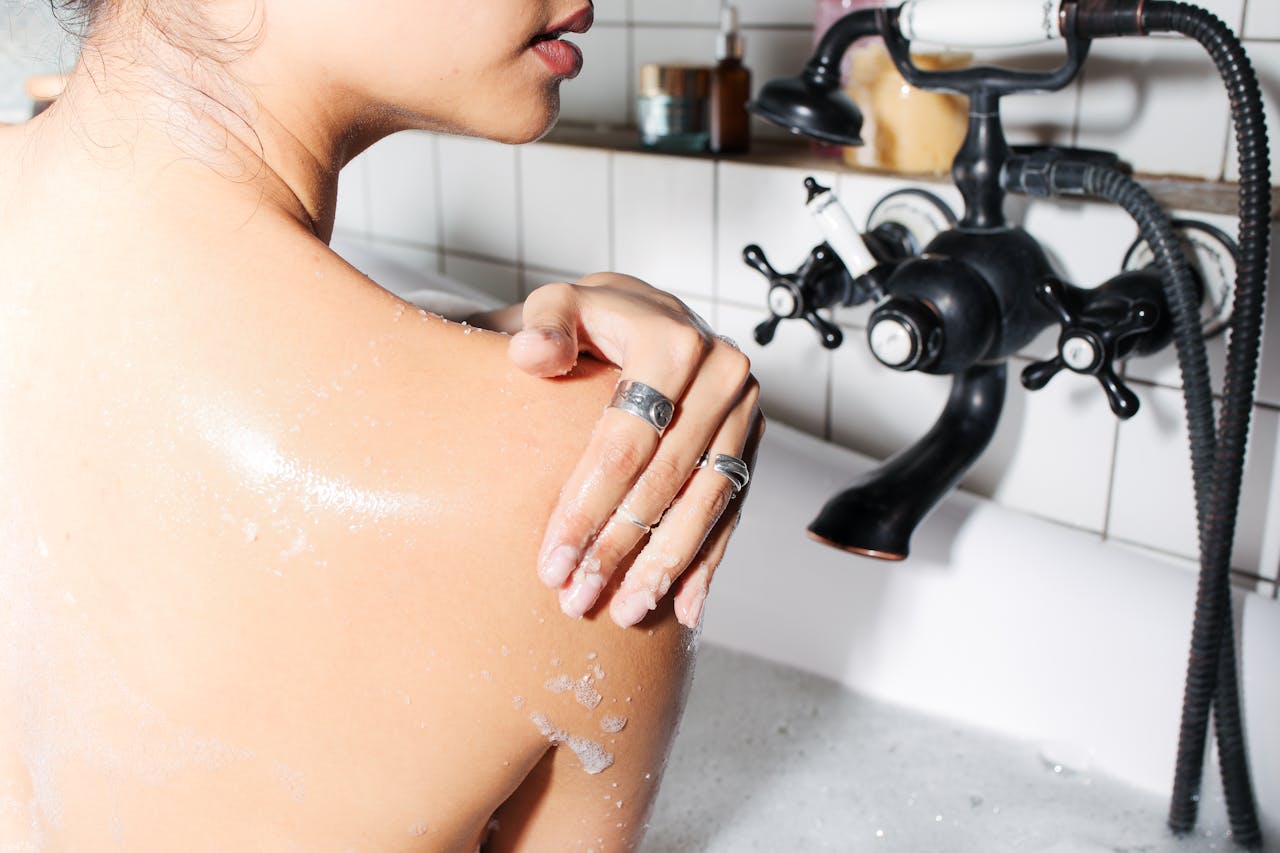 Ph. Polina Tankilevitch (Pexels.com)
Yes, and this is one of the biggest benefits of stainless steel. Unlike plated jewellery, stainless steel will not rust or corrode when exposed to water. You can swim, sweat, and shower without worrying about ruining your necklace or bracelet. That said, if your stainless steel piece includes stones or mixed materials, check the care instructions as those parts may require gentler handling.
What About Gold-Filled Or Vermeil?
Gold-filled: A thick layer of gold (at least 5% of total weight) bonded to a base metal, usually brass. It is more durable than plated jewellery and does not wear off easily.
Vermeil: Sterling silver with a thick gold plating (usually at least 2.5 microns). It is a good middle ground, but still more delicate than stainless steel.
While these are better alternatives to basic plating, they often come with a higher price tag and still require some maintenance.
How To Choose Jewellery That Will Not Let You Down
When shopping for jewellery, consider the following:
Materials To Look For:
Stainless steel (especially 316L or surgical grade)
Solid gold (9ct and above)
Gold-filled or vermeil
Titanium
Sterling silver (with anti-tarnish finish)
Materials To Avoid:
Nickel-heavy alloys
Copper or brass base metals without a protective coating
Low-cost fashion jewellery with no metal information provided
Questions To Ask Before Buying:
Is the piece water-resistant?
What is the base metal?
Is it nickel-free or hypoallergenic?
Is there a warranty or care guarantee?
How To Care For Stainless Steel Jewellery
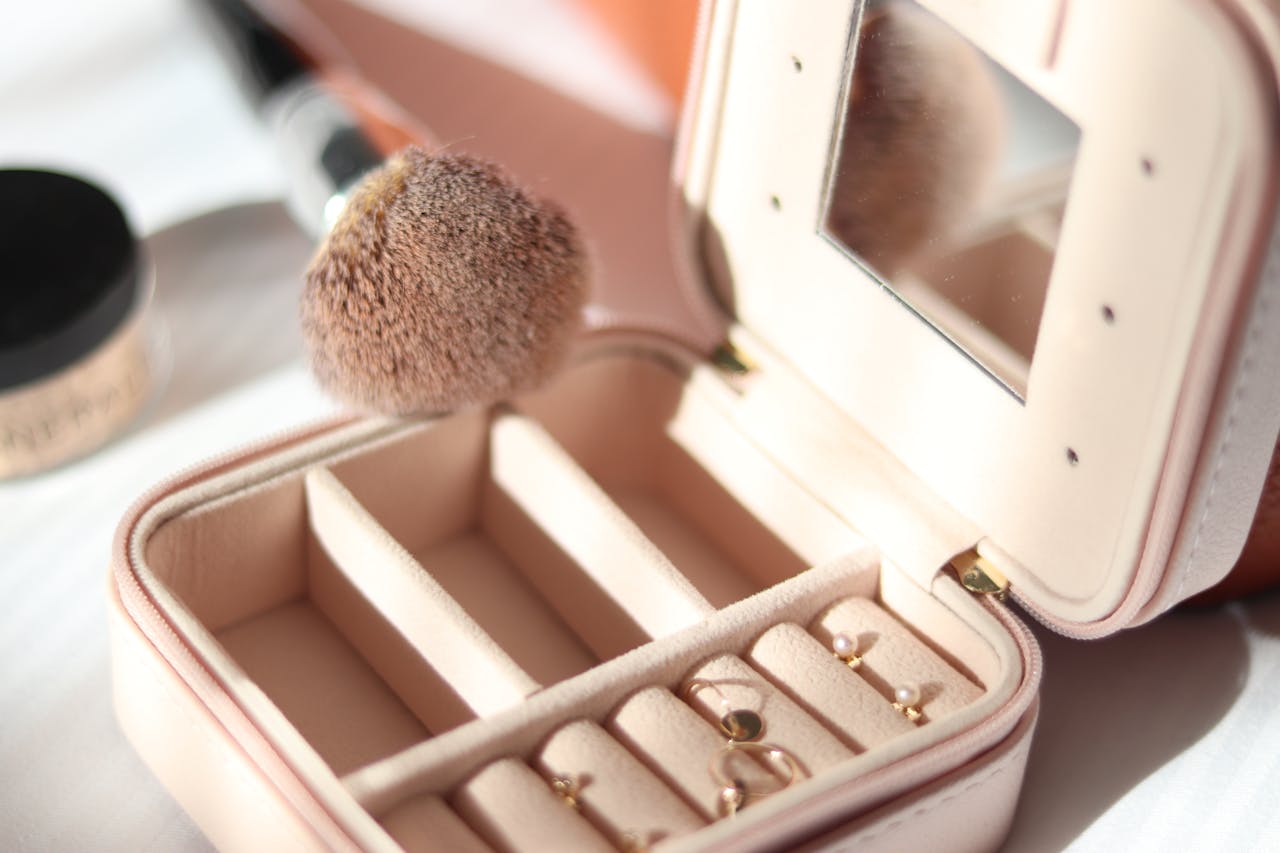 Ph. Pinkpress (Pexels.com)
Although it is low maintenance, taking good care of your stainless steel jewellery helps it stay looking its best.
Cleaning Tips:
- Use a soft, damp cloth to wipe down your piece after wearing.
- For deeper cleaning, use mild soap and warm water, then dry with a soft towel.
- Avoid abrasive pads or chemical cleaners, especially if the jewellery is polished.
Storage Tips:
- Store in a dry drawer or jewellery box.
- Keep away from sharp objects that could scratch the surface.
- Group pieces in soft pouches or compartments to prevent tangling.
When It Is Time To Upgrade
We all fall for fast-fashion finds, especially when a piece looks good and doesn’t cost much. But if your jewellery box is full of tarnished, green-skin-causing regrets, it might be time to rethink your buying habits.
A few well-chosen stainless steel pieces can elevate your daily look and eliminate the constant need for replacements. It is about investing in items that serve you, not frustrate you.
Final Thoughts: Jewellery That Matches Your Life
 Ph. Studio_Iris (Pixabay)
Jewellery should make you feel confident, not uncomfortable. If your favourite plated necklace leaves a mark on your skin – or your budget – it is worth exploring smarter alternatives. Stainless steel offers a rare mix of affordability, style, and resilience.
So the next time you are tempted by that £12 “gold” chain online, ask yourself: Will I still want to wear this in six months? Or will it end up at the bottom of the drawer, replaced by something that just works?
Because in the end, jewellery should keep up with your life – not leave a green trail behind.