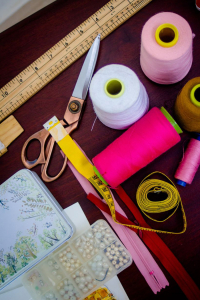
As the fashion industry grapples with its environmental impact, UK-based brands and consumers are increasingly turning to sustainable materials.
 Ph. Krsvch - Pexels
From plant-based leathers to traditional fibres produced sustainably, the UK is at the forefront of the green revolution with these new eco-friendly materials.
What Are The Sustainable Materials Currently Available To The Fashion Industry?
Sustainable fashion is no longer a niche in the UK – it is a growing movement. With environmental concerns on the rise, UK-based brands, designers, and consumers are prioritising eco-friendly materials that are both stylish and conscious of the planet. Whether you are a fashion entrepreneur or a conscious consumer, here is a guide to the best eco-friendly materials currently shaping the UK's fashion industry.
1. Organic Cotton
 Ph. Teona Swift - Pexels
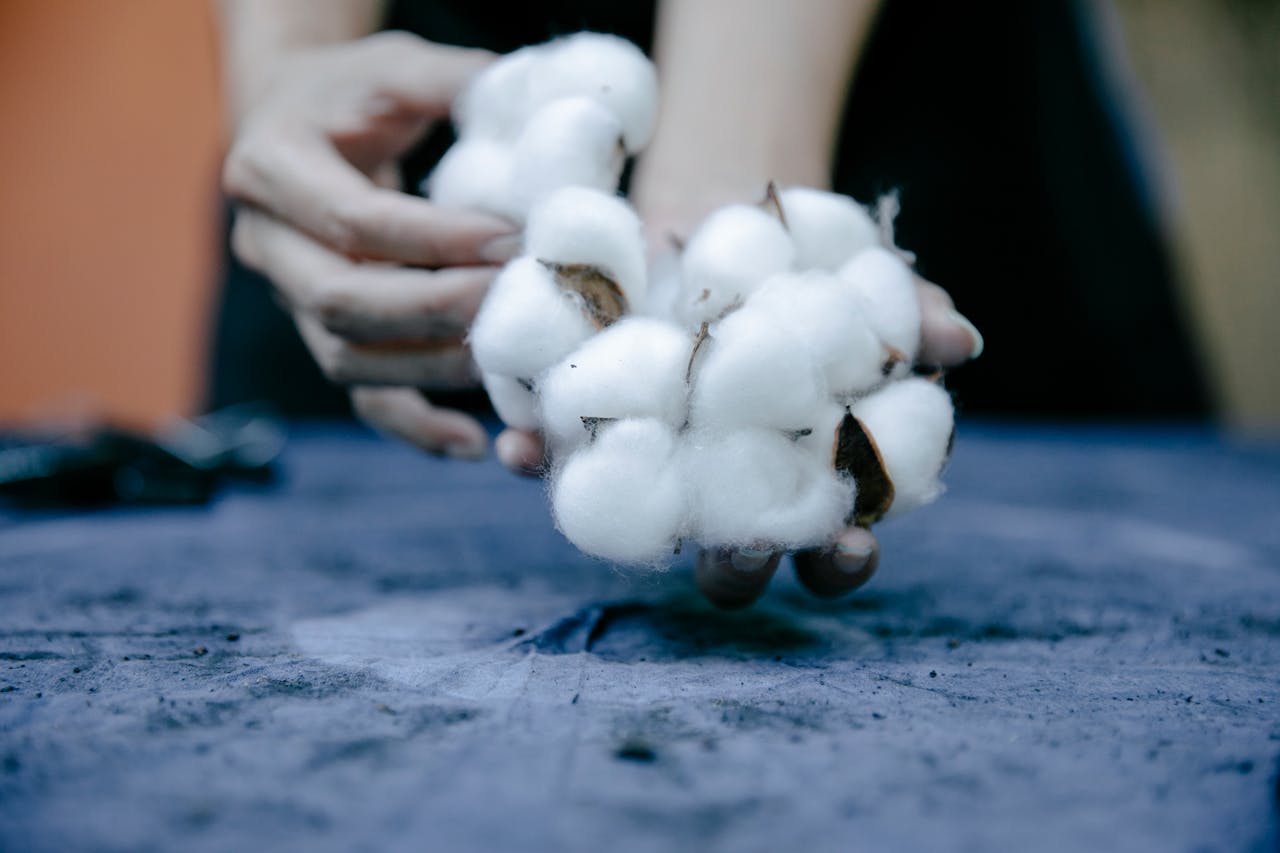
Organic cotton is grown without harmful pesticides or synthetic fertilisers and uses significantly less water than conventional cotton. Organic production supports healthier soil and results in fabric suitable for sensitive skin. Organic cotton is certified by standards like GOTS (Global Organic Textile Standard), which guarantees compliance with environmental and social criteria, protecting not only the planet but also the rights and well-being of all workers.
Many UK sustainable fashion brands, including Lucy & Yak, Finisterre and Yes Friends, rely on organic cotton to reduce their environmental footprint.
2. Hemp
Hemp is a low-impact crop requiring minimal water and no pesticides. It is naturally durable and breathable, perfect for year-round clothing. Its fast-growing nature makes it one of the most sustainable natural fibres.
3. Organic Linen
 Ph. Engina Kyurt - Pexels
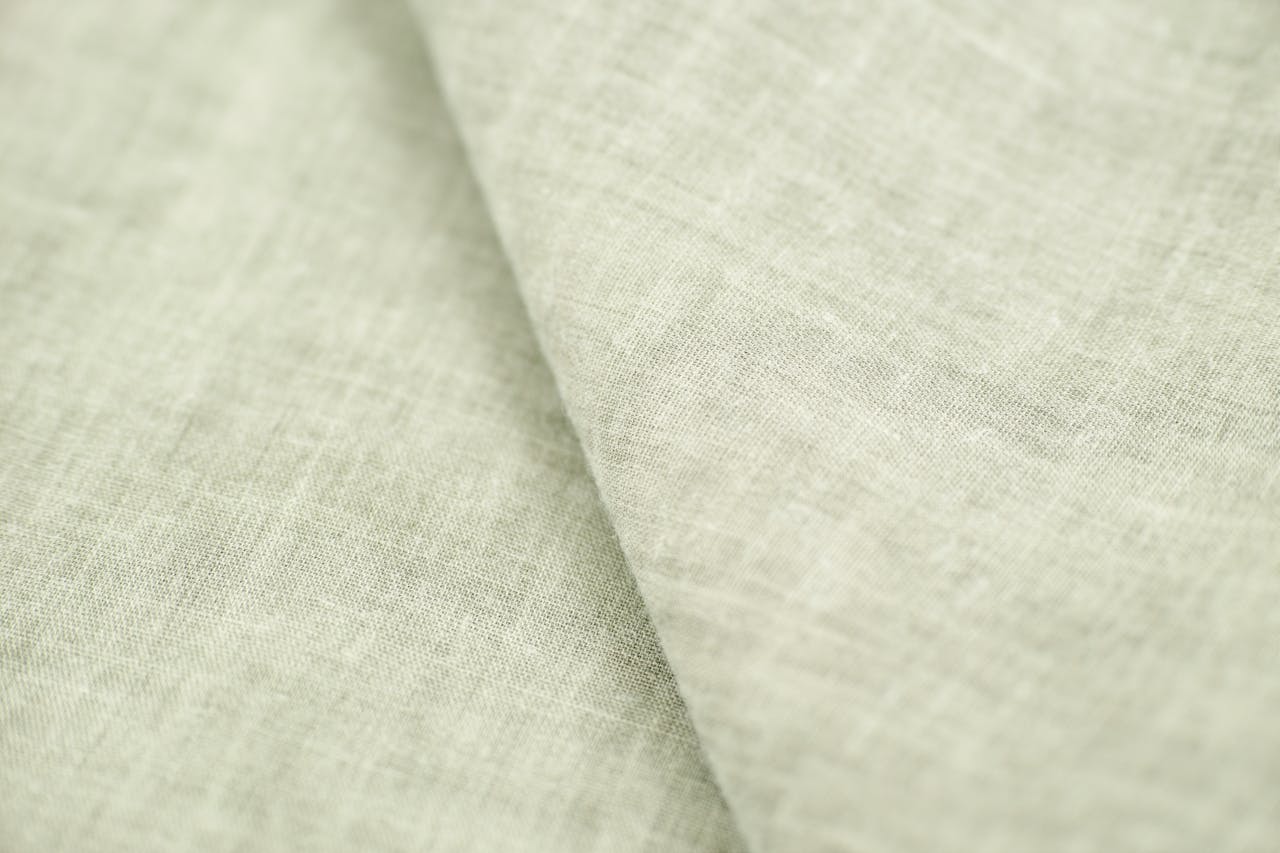
Produced for millennia, linen has lost much of its popularity with the rise of cotton, but it remains one of the most sustainable fabrics brands can choose. Linen is produced from flax, a crop that does not require extensive irrigation or pesticides, and it is completely biodegradable when not dyed. The natural colour range of untreated linen includes ecru and beige, soft shades that add a touch of sophistication to this breathable and durable fabric.
4. TENCEL™ (Lyocell)
TENCEL™, made from sustainably sourced wood pulp, is produced in a closed-loop process that reuses water and solvents. It is silky-smooth, biodegradable, and a great alternative to synthetic fabrics.
5. Piñatex®
 Ph. Quang Nguyen Vinh - Pexels
Piñatex® is a plant-based leather alternative made from pineapple leaf fibres produced by Ananas Aman. It provides a second income for farming communities and helps reduce agricultural waste. Piñatex® is a cruelty-free, flexible and durable material that can be debossed and embellished with embroideries, making it suitable for sustainable bags and footwear.
6. Recycled Polyester And Recycled Nylon
Recycled polyester, made from post-consumer waste like plastic bottles, helps reduce landfill and carbon emissions. It uses up to 59% less energy than virgin polyester. Similarly, recycled nylon made from old fishing nets and textiles is being used across UK fashion brands.
7. Kelsun®
Kelsun® is an innovative material developed by Keel Labs from seaweed. This new sustainable material is made from seaweed-derived biopolymers, and it can be transformed into yarns and fabrics, finding application in many sectors, including apparel. The resulting fabric is biodegradable, non-toxic, flame-resistant and anti-bacterial. Using textiles and materials derived from algae can be extremely beneficial to the environment, as seaweed absorbs CO2 like trees, but it grows at a fast pace without the need for pesticides or fresh water.
8. Innovative UK-Based Sustainable Clothing Materials
BioSequin®: developed by Radiant Matter, these fully biodegradable, non-toxic and plastic-free sequins are made from cellulose and first debuted in 2023 with the first all-sparkly jumpsuit by designer Stella McCartney and worn by Cara Delevingne.
BioPuff®: a cruelty-free, plant-based thermal insulation developed from bulrush seed heads by Ponda. Its lightness, warmth and water-repellent properties make it a great alternative to feathers and synthetic filling material.
9. British Wool And Regenerative Farming
 Ph. Matthew Duriez - Pexels
UK fashion is reconnecting with its agricultural roots. Labels like Herd, Navygrey, and Lake District Tweed are investing in soft, high-quality British wool and local leather tanneries. This promotes biodiversity, regenerates land, and supports rural communities.
Sustainable Bonus Choice: The UK's Upcycling Movement
 Ph. Algrey - Pexels
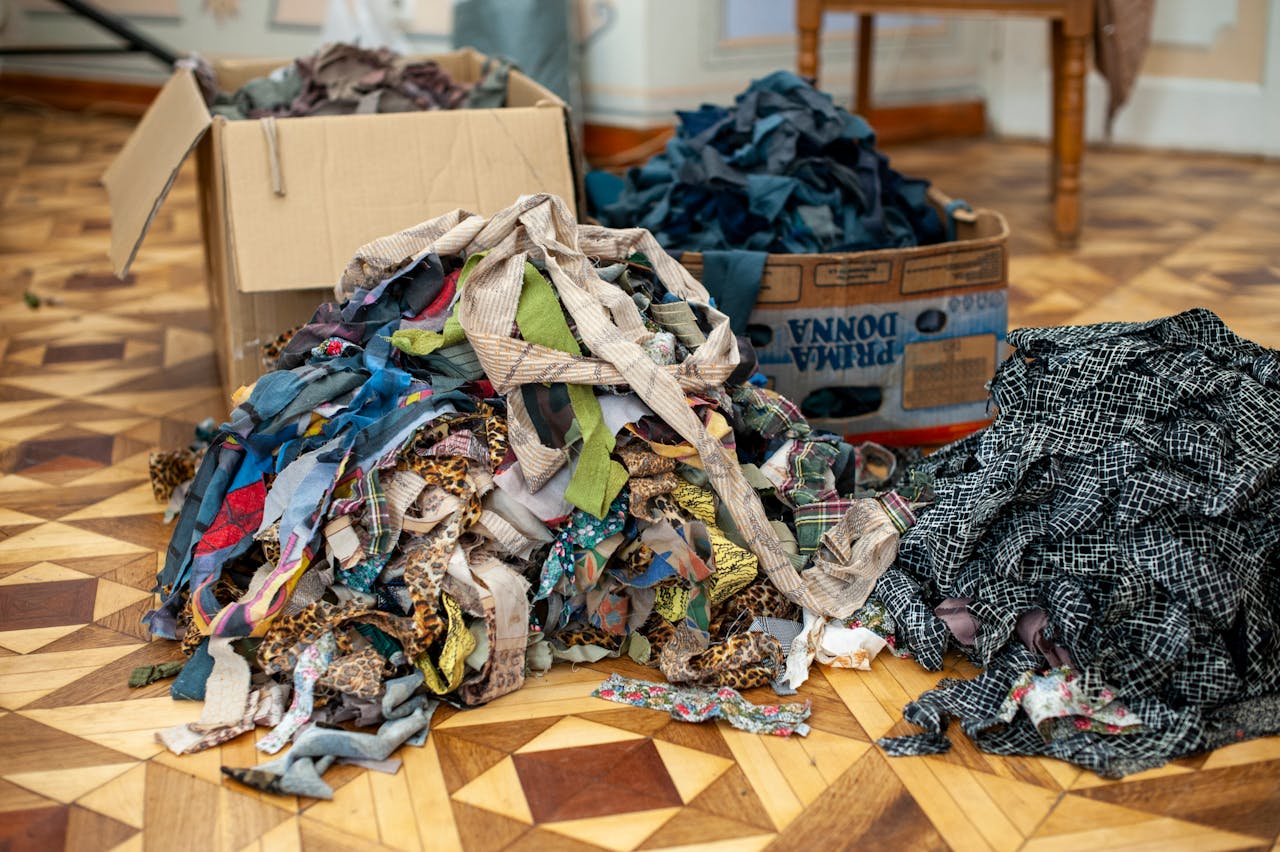
In the UK, there are a number of organisations committed to collecting and repurposing unwanted clothing and fabric scraps, as well as initiatives to promote fashion swaps and educate the community. While brands like World Secrets, Helen Kirkum, Spilt Milk and Pikol Clothing are turning discarded textiles into stylish fashion as a counter-movement to fast-fashion culture.
From shoes crafted from antique rugs to shirts made from repurposed tablecloths, upcycling breathes new life into forgotten fabrics.
Conclusion
The UK's fashion industry is embracing a variety of eco-friendly materials, from traditional fibres like wool and linen to innovative alternatives like Piñatex® and BioSequins®. By choosing these sustainable options, brands and consumers alike can contribute to a more environmentally responsible future in fashion.