According to Swedish ecopreneur Bengt Rittri, microplastics are not just an environmental issue but a global emergency. Is there anything you can do to reduce them?
 Ph. Yaroslav Shuraev - Pexels
Microplastics are tiny travellers and have been found in the ocean depths. Learn more about this pollutant and why your lifestyle choices matter.
Why Microplastics Are Considered An Emergency For The Environment
An international study published in Nature found that microplastics have spread so widely and deeply in the oceans that their presence can pose a threat to key biological processes, which are essential for maintaining marine life and regulating the climate. Popular and scientific concerns also focus on how microplastics can enter the food chain and end up on our tables and in the water we drink.
What Are Microplastics?
 Ph. Alfomedeiros - Pexels
Small and widespread, but what are microplastics? Microplastics are tiny particles of plastic materials that are smaller than 5 millimetres. The Natural History Museum has described them as the "greatest man-made disasters of our times" and, indeed, our consumption habits, our lifestyle, careless waste management and littering are responsible for them.
While some microplastics can form naturally from the disintegration of plastic exposed to the sun, some are intentionally created for different purposes. This is the case with industrial abrasives, paints and even regular face scrubs with microbeads. Our wardrobe and washing habits can also be a daily source of microplastics. Synthetic fabrics like nylon and polyester can shed minuscule microplastic fibres, with an estimated release of more than 700,000 units per washing cycle.
10 Daily Swaps To Reduce Microplastic Production And Exposure
 Ph. Cotton Bro - Pexels
Following the environmental study, Bengt Rittri, the Founder of the clean drinking water solution Bluewater, emphasised: “It is painfully clear that we’ve allowed plastic pollution to compromise the planet’s life-support systems. This is not just about litter or aesthetics, but protecting the integrity of Earth’s oceans and atmosphere. Microplastics are a planetary emergency.”
Small actions can lead to big changes, so here is a list of 10 simple changes you can make to your daily routine to reduce the production and exposure to microplastics:
- 1) Replace single-use plastics with durable options: single-use plastic cutlery, dishes, and cups can last for centuries in the environment. Ceramic, glass and stainless-steel containers and bottles are more durable, safer and easier to wash.
- 2) Avoid reheating food in their takeaway boxes: when you briefly pop your takeaways in the microwave, dangerous chemicals like BPA and phthalates can leach into your food. The same happens when you drink a hot beverage in plastic cups.
- 3) Do not wash plastic materials in the dishwasher: washing plastic containers in the dishwasher could save you time, but the environment will not be happy. Each load can release millions of nano and microplastic particles.
- 4) Swap your regular scrub for a natural-based option: some face and body scrubs still rely on microbeads to exfoliate your skin. Choose eco-friendly scrubs that use natural microbeads as exfoliant agents to reveal silky skin. To take things a step further, look for plastic-free packaging or "naked" beauty products.
- 5) Cut down on synthetic clothing: synthetic clothes can be lighter and cheaper, but they release microplastic fibres during washing. Organic cotton, wool, linen... you have many natural choices ("many natural choices" links to the last blog when online) for every season.
- 6) Add a special filter to your washing machine: did you know that you can install a fibre-catching filter in your washing machine or use a laundry ball? The first will block the fibres before they reach the water pipes; the second will prevent or capture the fibres floating in the water.
- 7) Air-dry your clothes if possible: tumble dryers are a quick way to dry your clothing, but their mechanical action can weaken fabrics and cause them to shed. Instead, make the most of every sunny day or the driest room in your home.
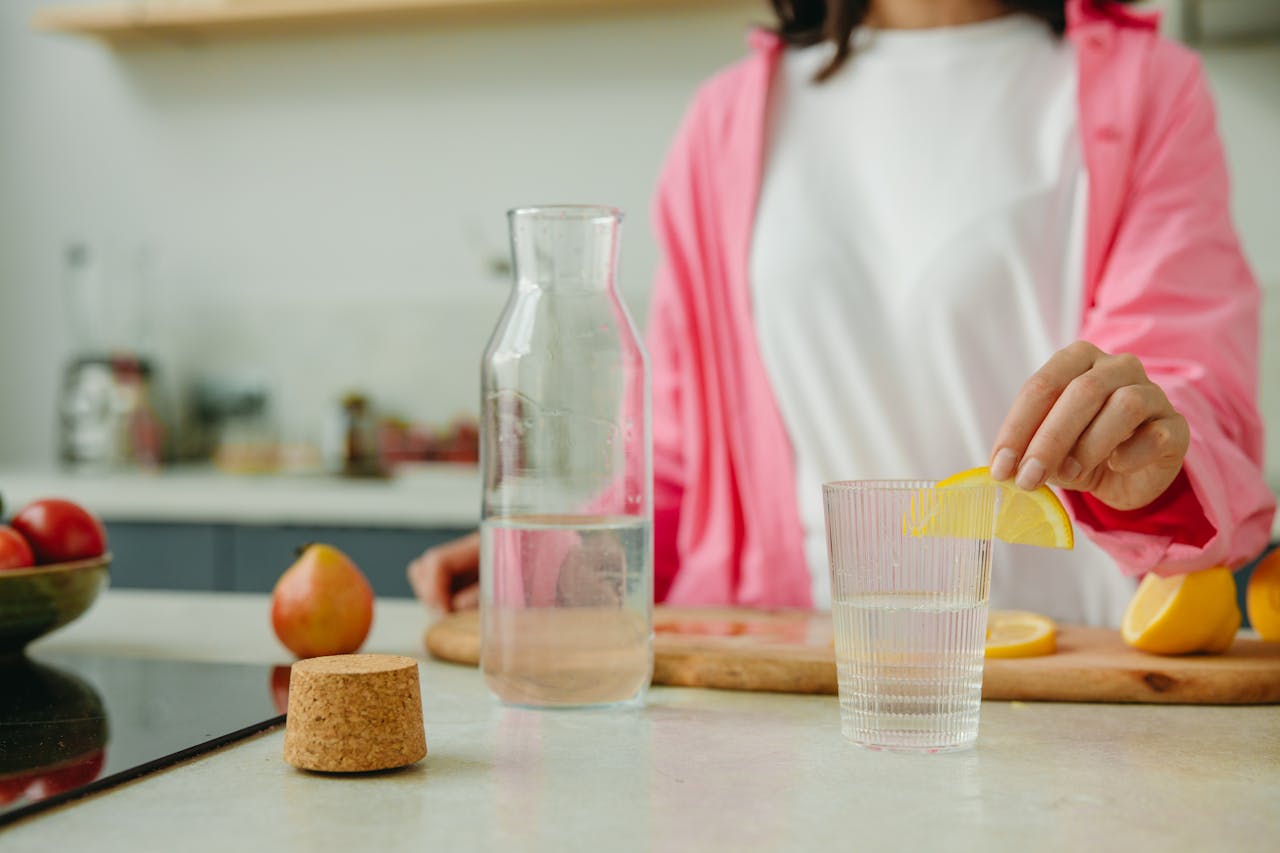
- 8) Drink filtered tap water: you can reduce plastic waste and save on still water by using a purifying water filter or a filter jug.
“Every action matters, and every single-use plastic bottle not used is a step toward restoring planetary health,” Rittri added. “As a purpose-driven company, we call on global leaders, businesses, and citizens to act now to eliminate single-use plastic bottles and support sustainable water solutions.”
- 9) Your tea bag matters too: although the majority of tea bags are made of paper or natural materials, some brands still use polypropylene to heat-seal their tea bags. Worry not. You can enjoy a plastic-free cup of tea by trying eco-conscious brands, like Pukka or Yogi Tea, or loose tea.
- 10) Reuse and recycle: be careful how you dispose of old plastic items. Plastic can have another life and new purposes, far from the oceans and landfills.
Microplastics are a global emergency, but we can all do our part to have purer waters and a cleaner planet. One (saved) bottle at a time.