

Best Eco-Friendly Materials For Clothing – A UK Focus
As the fashion industry grapples with its environmental impact, UK-based brands and consumers are increasingly turning to sustainable materials.
 Ph. Krsvch - Pexels
From plant-based leathers to traditional fibres produced sustainably, the UK is at the forefront of the green revolution with these new eco-friendly materials.
What Are The Sustainable Materials Currently Available To The Fashion Industry?
Sustainable fashion is no longer a niche in the UK – it is a growing movement. With environmental concerns on the rise, UK-based brands, designers, and consumers are prioritising eco-friendly materials that are both stylish and conscious of the planet. Whether you are a fashion entrepreneur or a conscious consumer, here is a guide to the best eco-friendly materials currently shaping the UK's fashion industry.
1. Organic Cotton
 Ph. Teona Swift - Pexels
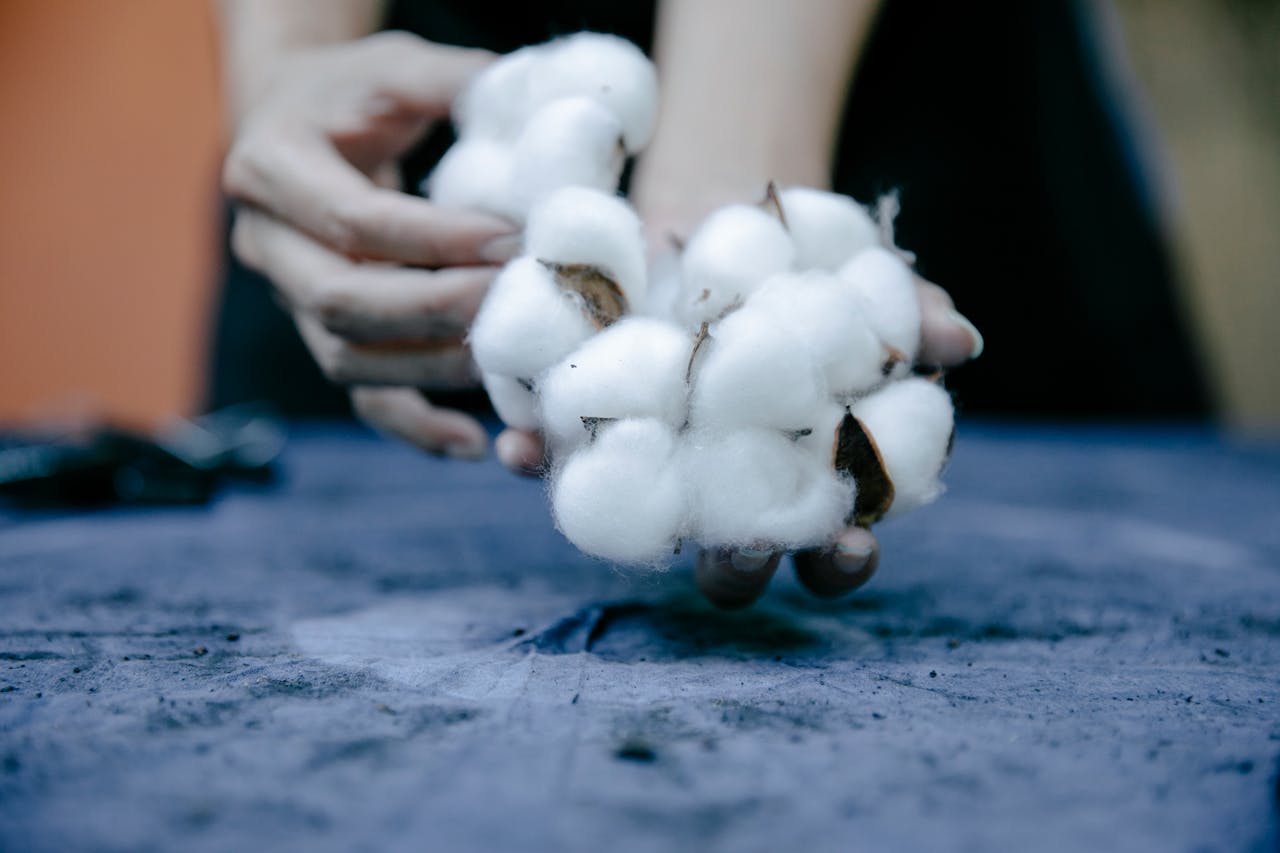
Organic cotton is grown without harmful pesticides or synthetic fertilisers and uses significantly less water than conventional cotton. Organic production supports healthier soil and results in fabric suitable for sensitive skin. Organic cotton is certified by standards like GOTS (Global Organic Textile Standard), which guarantees compliance with environmental and social criteria, protecting not only the planet but also the rights and well-being of all workers.
Many UK sustainable fashion brands, including Lucy & Yak, Finisterre and Yes Friends, rely on organic cotton to reduce their environmental footprint.
2. Hemp
Hemp is a low-impact crop requiring minimal water and no pesticides. It is naturally durable and breathable, perfect for year-round clothing. Its fast-growing nature makes it one of the most sustainable natural fibres.
3. Organic Linen
 Ph. Engina Kyurt - Pexels
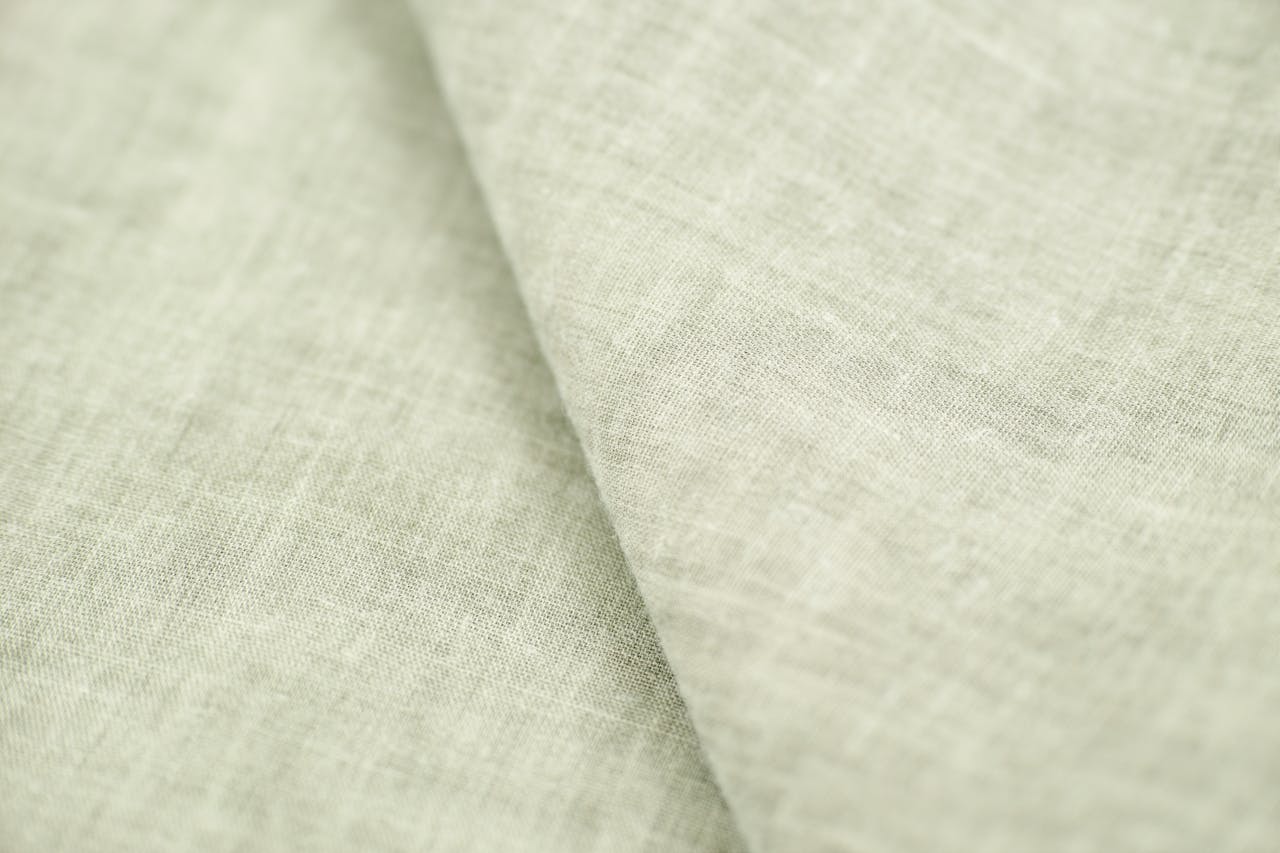
Produced for millennia, linen has lost much of its popularity with the rise of cotton, but it remains one of the most sustainable fabrics brands can choose. Linen is produced from flax, a crop that does not require extensive irrigation or pesticides, and it is completely biodegradable when not dyed. The natural colour range of untreated linen includes ecru and beige, soft shades that add a touch of sophistication to this breathable and durable fabric.
4. TENCEL™ (Lyocell)
TENCEL™, made from sustainably sourced wood pulp, is produced in a closed-loop process that reuses water and solvents. It is silky-smooth, biodegradable, and a great alternative to synthetic fabrics.
5. Piñatex®
 Ph. Quang Nguyen Vinh - Pexels
Piñatex® is a plant-based leather alternative made from pineapple leaf fibres produced by Ananas Aman. It provides a second income for farming communities and helps reduce agricultural waste. Piñatex® is a cruelty-free, flexible and durable material that can be debossed and embellished with embroideries, making it suitable for sustainable bags and footwear.
6. Recycled Polyester And Recycled Nylon
Recycled polyester, made from post-consumer waste like plastic bottles, helps reduce landfill and carbon emissions. It uses up to 59% less energy than virgin polyester. Similarly, recycled nylon made from old fishing nets and textiles is being used across UK fashion brands.
7. Kelsun®
Kelsun® is an innovative material developed by Keel Labs from seaweed. This new sustainable material is made from seaweed-derived biopolymers, and it can be transformed into yarns and fabrics, finding application in many sectors, including apparel. The resulting fabric is biodegradable, non-toxic, flame-resistant and anti-bacterial. Using textiles and materials derived from algae can be extremely beneficial to the environment, as seaweed absorbs CO2 like trees, but it grows at a fast pace without the need for pesticides or fresh water.
8. Innovative UK-Based Sustainable Clothing Materials
BioSequin®: developed by Radiant Matter, these fully biodegradable, non-toxic and plastic-free sequins are made from cellulose and first debuted in 2023 with the first all-sparkly jumpsuit by designer Stella McCartney and worn by Cara Delevingne.
BioPuff®: a cruelty-free, plant-based thermal insulation developed from bulrush seed heads by Ponda. Its lightness, warmth and water-repellent properties make it a great alternative to feathers and synthetic filling material.
9. British Wool And Regenerative Farming
 Ph. Matthew Duriez - Pexels
UK fashion is reconnecting with its agricultural roots. Labels like Herd, Navygrey, and Lake District Tweed are investing in soft, high-quality British wool and local leather tanneries. This promotes biodiversity, regenerates land, and supports rural communities.
Sustainable Bonus Choice: The UK's Upcycling Movement
 Ph. Algrey - Pexels
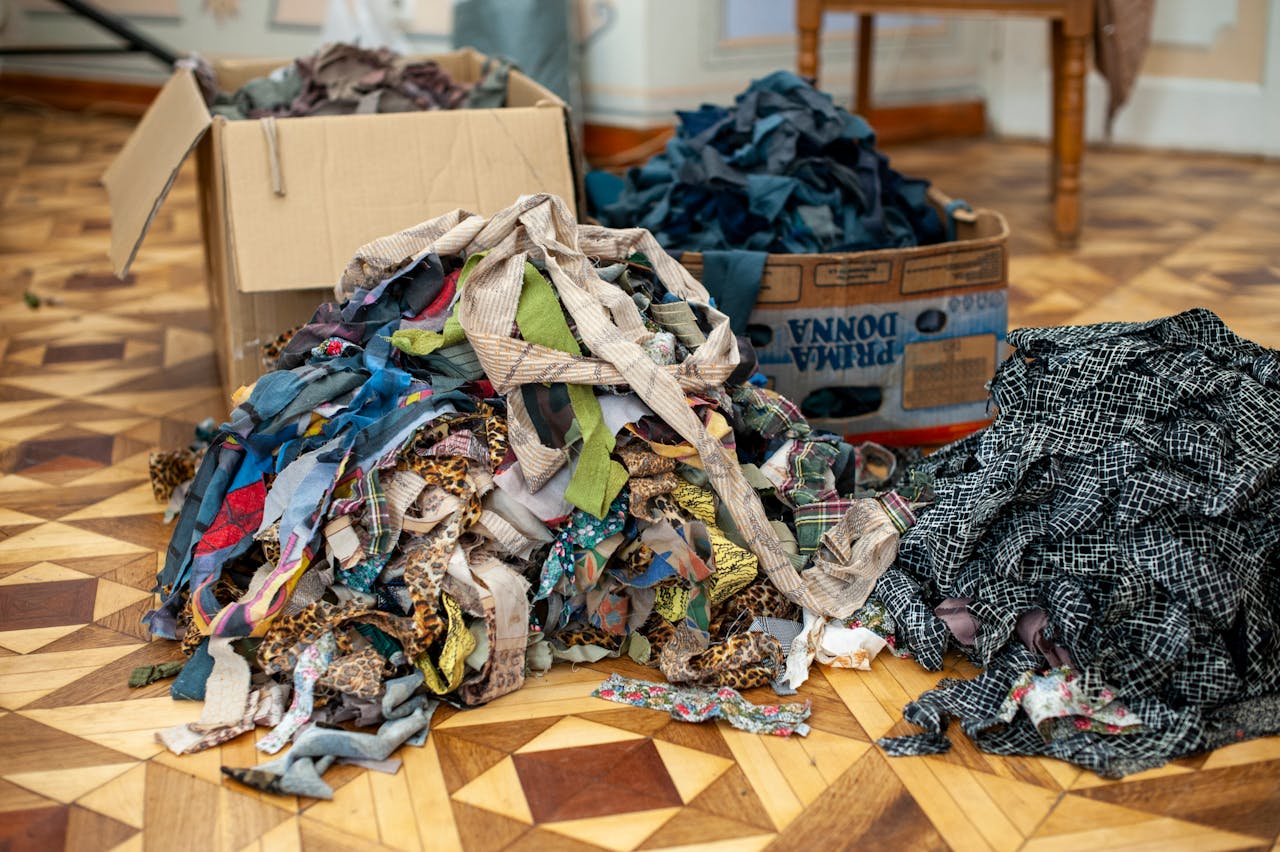
In the UK, there are a number of organisations committed to collecting and repurposing unwanted clothing and fabric scraps, as well as initiatives to promote fashion swaps and educate the community. While brands like World Secrets, Helen Kirkum, Spilt Milk and Pikol Clothing are turning discarded textiles into stylish fashion as a counter-movement to fast-fashion culture.
From shoes crafted from antique rugs to shirts made from repurposed tablecloths, upcycling breathes new life into forgotten fabrics.
Conclusion
The UK's fashion industry is embracing a variety of eco-friendly materials, from traditional fibres like wool and linen to innovative alternatives like Piñatex® and BioSequins®. By choosing these sustainable options, brands and consumers alike can contribute to a more environmentally responsible future in fashion.
New Season, New Nails with Earthy WonderFall Collection

Nature changes all around us suggesting it is a new season. It is a new season for your nails as well with the newest WonderFall Collection by Earthy Nail Polish.
How "Impact Intelligence" Will Cut Emissions In Fashion
Eight years ago, the Paris Agreement set challenging yet critical goals to limit global temperature increase to 1.5°C, with a reduction of emissions by 45% by 2030 to reach net zero by 2050. Undoubtedly, net zero is a big challenge for the fashion and apparel industry.
Helen Kaminski's To The Horizon S/S23 Collection

Australian fashion brand Helen Kaminski is thrilled to announce its latest Spring/Summer collection: To The Horizon.
TOAST Renewed, Repaired Clothing Collection Made To Last

Lifestyle brand TOAST invites you to cherish your clothing with skilled mending, made to last for years to come with their recently launched ‘TOAST Renewed' collection.
‘Wild Safari Society’ SS/2022 by Far Afield
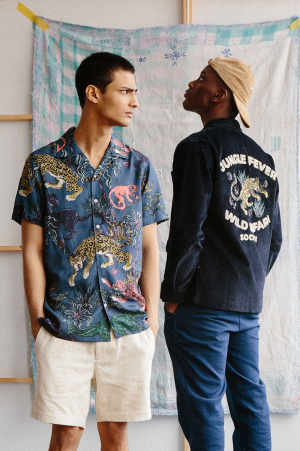
Far Afield showcases their latest collection a contemporary menswear-meets-unisex range featuring a whimsical tropical safari theme.
The COCONUTS season: Pink House Mustique's most sustainable swimwear

Are you waiting for the summer season for a nice swim? The wait can be long, but Pink House Mustique is ready with its newest sustainable swimwear collection for men and kids.
The Kinematic Dress and the World of 3D Printing
Fashion started when humans began wearing clothes, so the statement ‘the history of fashion is a history of people’ is a matter of fact. Even with the pandemic in the picture, the world of fashion is still going but with a slight twist: technology is here to stay and be a part of every aspect of our lives, even fashion.
 Ph. Simon Lee, Unsplash
To keep up with the trends, 3D printing is becoming a widely used alternative to fabric in the fashion industry.
We can trace the origin of fashion design back to 1826! Fashion reflects the passage of time and if we look back we can learn a lot about history and culture solely based on the fashion trends. Zooming to the last two years, everyone could notice the rapid growth of technology and it is not a surprise latest innovations entered the industry.
Is 3d Printing Replacing The Sewing Process?
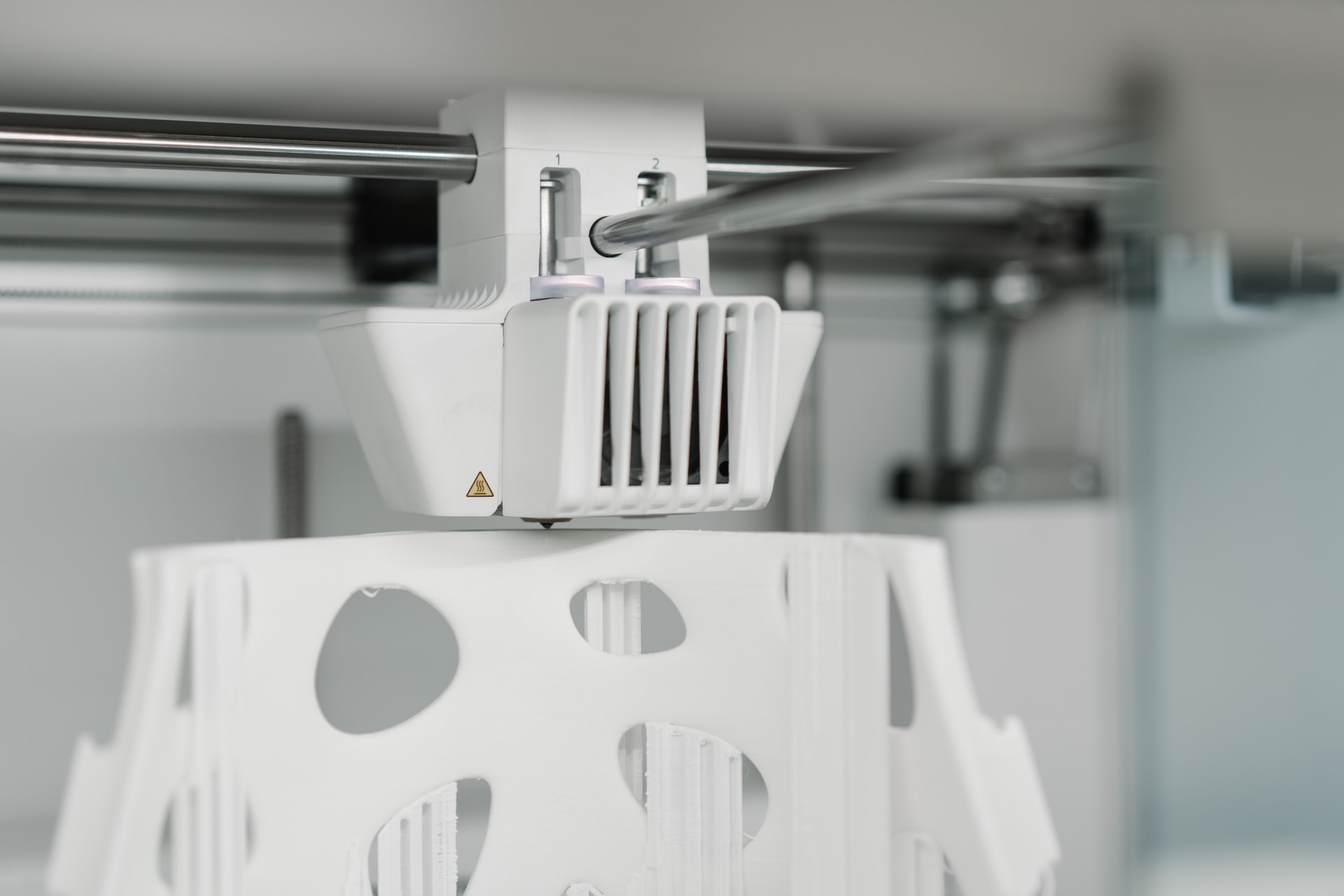 Ph. Tom Claes, Unsplash
The biggest threat in the world of fashion is fast fashion and all the negative aspects of it, from the terrible working conditions to the effects on the environment. Many people nowadays are more conscious about the way they approach fashion. Those new aspects are taken into account and are pushing designers to look for ways to accommodate their customers; this is where new innovations come in handy. It is becoming important to use 3D printing for sustainable and eco-friendly purposes, as well as turning the advance of technology to your advantage. 3D-printed garments can cut manufacturing waste, reduce carbon footprint, and promote circular economy. Fashion is embracing 3D printing due to its many advantages, and there are no limits to the possibilities. From clothing to footwear to accessories, 3D printing offers unlimited opportunities.
Kinematic Garments
One of the most well known kinematic garments is the kinematic dress of design-studio-cum-science-lab Nervous System, founded in 2007. Designers and co-founders of Nervous System studio, Jessica Rosenkrantz and Jesse Louis-Rosenberg, merge nature and technology in their line of Kinematics garments, including the Kinematics Dress, that was required by the Museum of Modern Art in New York for their permanent exhibition. Rosenkrantz and Louis-Rosenberg say that “the Kinematics Dress represents a new approach to manufacturing which tightly integrates design, simulation, and digital fabrication to create complex, customised products".
This future started at some point in the past, the studio was working at this already in 2013!
The Making Of The Dress
The dress is made up of 2,279 unique triangular panels and 3,316 hinges, to allow it to be printed as a single folded piece at the Shapeways factory in New York. All the pieces of the dress are rigid individually but, once combined, they function as a piece of continuous fabric that allows the dress to conform to the body and flow fluidly as it moves. The founders of Nervous System wanted to create a 3D printed garment that is both a gorgeous futuristic piece and comfortable for the wearer. At that time, most fashion designers experimenting with 3D printing made good looking garments for a magazine photoshoot, but if you were to wear it, the dress would feel like being covered in plastic. The designers' goal is to create a simple 3D printing method, so they developed an app to allow wearers to indicate their body shape and specify their desired length, patterning, silhouette, and other customizable design details. “We’re interested in computerising the entire manufacturing process” says Jessica, “we’re still in the very beginning, but we envision a future where people end up using their skill and creativity to create an end product that is completely accessible and affordable”.
Envision a future where you will be able to create and print your own unique garment in your bedroom with the click of a button. This is no longer a dream, it is a reality and people are doing it. It is exciting to observe the innovations, tactics, and designs that are created as this technology grows and it’s even more exciting to be a part of it.
Special: Behind and Inside PUMA RE:SUEDE
Achieving circularity and sustainability has undoubtedly its challenges but the PUMA RE:SUEDE experiment showed that green footwear is not a wild dream anymore.
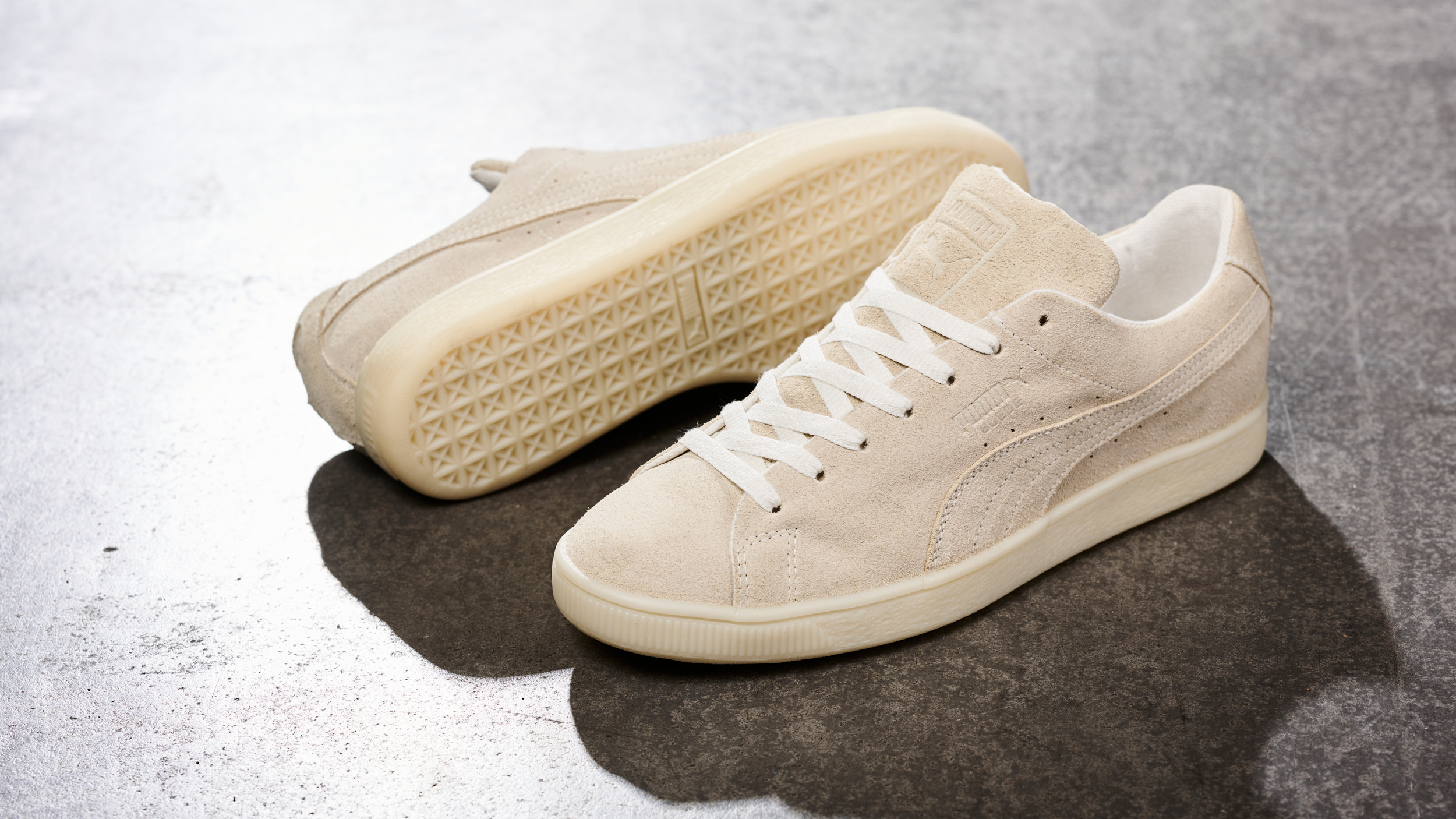 Photo courtesy of PUMA
Fashions Finest got in the loop with PUMA creative and sustainability team directors to know more about the challenges behind ecological shoes.
Sustainable production techniques have been making great strides in the last decade. Green shoes are real but challenges, the aesthetic implications and public reception are true too. Heiko Desens, PUMA’s Creative Director, and Stefan Seidel, Head of Corporate Sustainability, told Fashions Finest more about the RE:SUEDE pilot experiment.
Q&A With Stefan Seidel, Head Of Corporate Sustainability At PUMA
 Stefan Seidel, courtesy of PUMA
PUMA's first sustainable experiment dates back to 2012; it was quite futuristic for that time but very noteworthy. What did you learn from your first attempt?
Our InCycle collection was probably ahead of its time. We saw that it was important to ensure the products get sent back to us after their use phase.
We did have an instore-take back system in place back then, but it was not possible to specifically sort out our InCycle products for composting or recycling purposes. This is why we will have a very specific take-back offer in place for the RE:SUEDE.
Do biodegradable, unconventional and/or alternative materials impact the final design and aesthetic feel?
Some of the materials indeed look and feel different. For example, we purposely left the leather for the RE:SUEDE in its natural colour – to support the natural look and feel. But the RE:SUEDE is still as comfortable to wear as the “classic” SUEDE.
Can a single, trend-driven feature reduce the eco-friendliness of a shoe?
The eco-friendliness of a shoe is based on many aspects. Important criteria are the materials used, the environmental performance of the manufacturer who produces the materials and the shoe, the type of energy used during production, the mode of transport and ultimately how the shoe is treated at the end of its lifecycle.
A single feature can help to draw attention, but to be eco-friendly, a shoe needs to ideally address all of the above aspects.
What is the least sought-after material which, in your opinion, may open unexpected possibilities in the shoemaking industry?
Over the past years, we saw attempts using pineapple leaves, cork or mushroom-based materials for shoemaking. Those are interesting but very difficult to scale to mass volumes.
Personally, I believe we should make those materials more sustainable, which are already in use today, for example by eliminating fossil-based feedstocks. Some of our partners are experimenting with CO2 from the atmosphere as building blocks for polymers – that would be great, provided that those polymers can also be fully recycled or decomposed naturally.
What is the most impactful moment on the ecosystem in a shoe’s life cycle?
When we look at the product lifecycle analysis, then the material extraction and conversion has the biggest environmental impact.
The RE:SUEDE project shows your commitment and dedication to a better future. Considering that there is still work to do and areas with room for improvement, what is one key approach that any brand can take for greener production?
There are many areas that we need to focus on, so let me pick two:
We need to transition production to low carbon materials and renewable energy, to be able to tackle the climate crisis.
We need to answer the question of what happens to the products at the end of their lifecycle. Biodegradation is one possibility, technical recycling is the other one. Ideally, we should combine both.
Q&A With Heiko Desens, PUMA's Creative Director
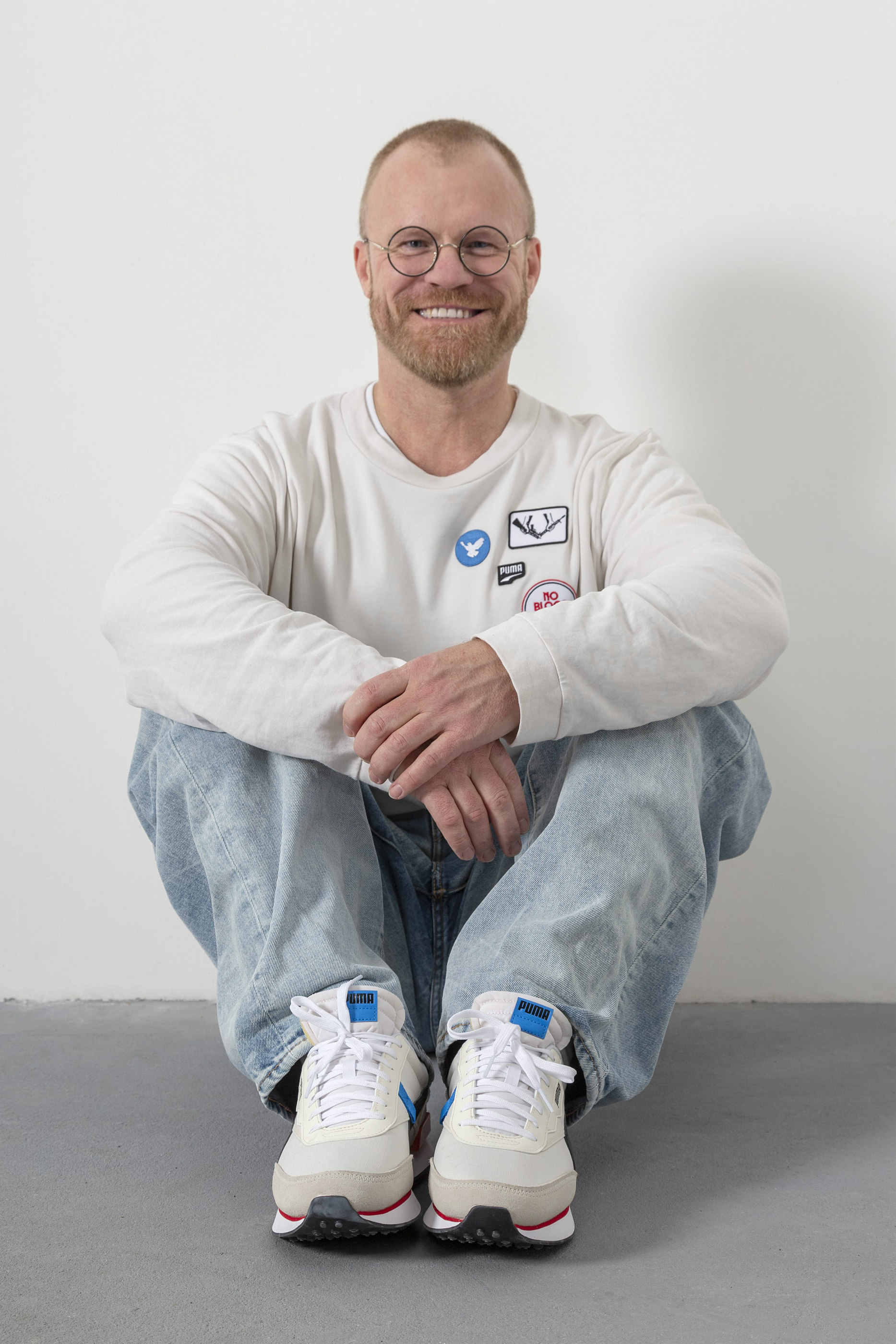 Heiko Desens, courtesy of PUMA
PUMA picked the SUEDE for its sustainable pilot project, but what makes this sneaker PUMA's real icon?
The Suede stands for timeless design that makes it different to a lot of high fashion sneakers. We chose the Suede because in theory you can wear it for many years and it always compliments any styling you go for and any occasion you wear it for. Doesn’t this make it an icon?
Everyone agrees on Gen Z being the most eco-conscious generation. Is circularity driven by the youngest or does PUMA have a less specific customer cluster in mind for the RE:SUEDE and future eco-friendly shoe models?
The Suede speaks to a wide consumer base and that gives us the freedom to choose who we are directing the message to. With the massive conversation around environmental issues nowadays, the topic is not just of interest to a younger generation, and it shouldn’t be. That’s why we chose the Suede for this project to generate interest in our RE:SUEDE project as much as possible.
How did your loyal customer base welcome the cooperation? Do you feel potential customers will value brands that take them so much into consideration?
We are still in the phase of evaluating the media/social feedback but we can proudly say that it has exceeded by far what we were hoping for. The next round of engagement with our loyal consumer base will start beginning of next year. This is when our project physically starts and consumers can register for the first round of RE:SUEDEs.
What is the biggest challenge encountered during the running project?
The biggest challenge was to meticulously identify and eliminate all potentially harmful elements from the materials and still maintain top quality and durability. Real sustainable materials are still not always easy to find. The next step was to make sure they pass established quality standards, so you can enjoy your product just the way you are used to for any other PUMA product.
To smartly communicate that the RE:SUEDE will not simply biodegrade in a conventional composting environment. It needs a specialized technical set-up.
In the future, our footprint will finally be lighter. Thanks to alternative, biodegradable materials and circularity experiments like PUMA RE:SUEDE this day will soon approach.
EVRYTHNG and Re-Fashion: Game-Changing Partnership for Sustainable Fashion
A brand-new partnership introduces circular and more transparent solutions to implement sustainability in fashion retail. EVRYTHNG and Re-Fashion collaborate with New Look to make a change happen.