

As the colder months arrive, many of us experience dryness, sensitivity, and dullness in our skin. But winter skincare doesn’t need to rely on heavy, chemical-packed formulas. With sustainable and eco-friendly choices, you can protect your skin barrier and the planet at the same time.
 Ph. KerdKanno (Pixabay)
Discover eco-friendly winter skincare tips. From natural moisturisers to refillable products, here’s how to keep skin nourished and glowing sustainably this winter.
Why Sustainable Skincare Matters in Winter
Winter conditions—cold winds, indoor heating, and low humidity—strip the skin of essential moisture. Sustainable beauty swaps, such as natural butters, refillable moisturisers, and cruelty-free treatments, ensure that your skincare routine is nourishing for you and respectful of the environment.
Switch to Rich, Natural Moisturisers
 Ph. Natallia (Pexels)
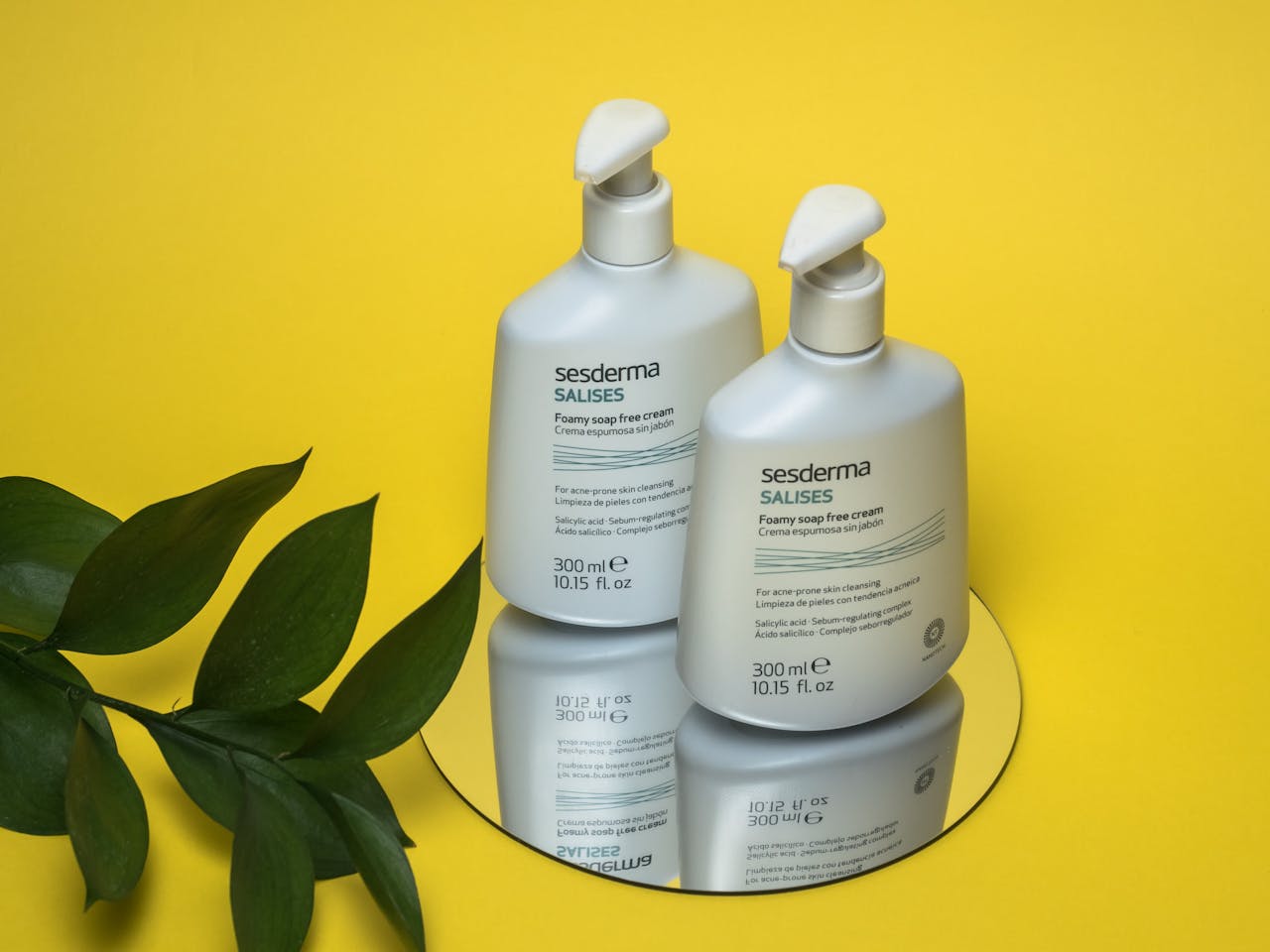
Light creams may not cut it in winter. Look for eco-friendly formulas with shea butter, cocoa butter, or squalane. Brands like UpCircle and Evolve Organic Beauty offer hydrating options made with natural and upcycled ingredients.
Gentle, Low-Waste Cleansing
 Ph. Ron Lach (Pexels)
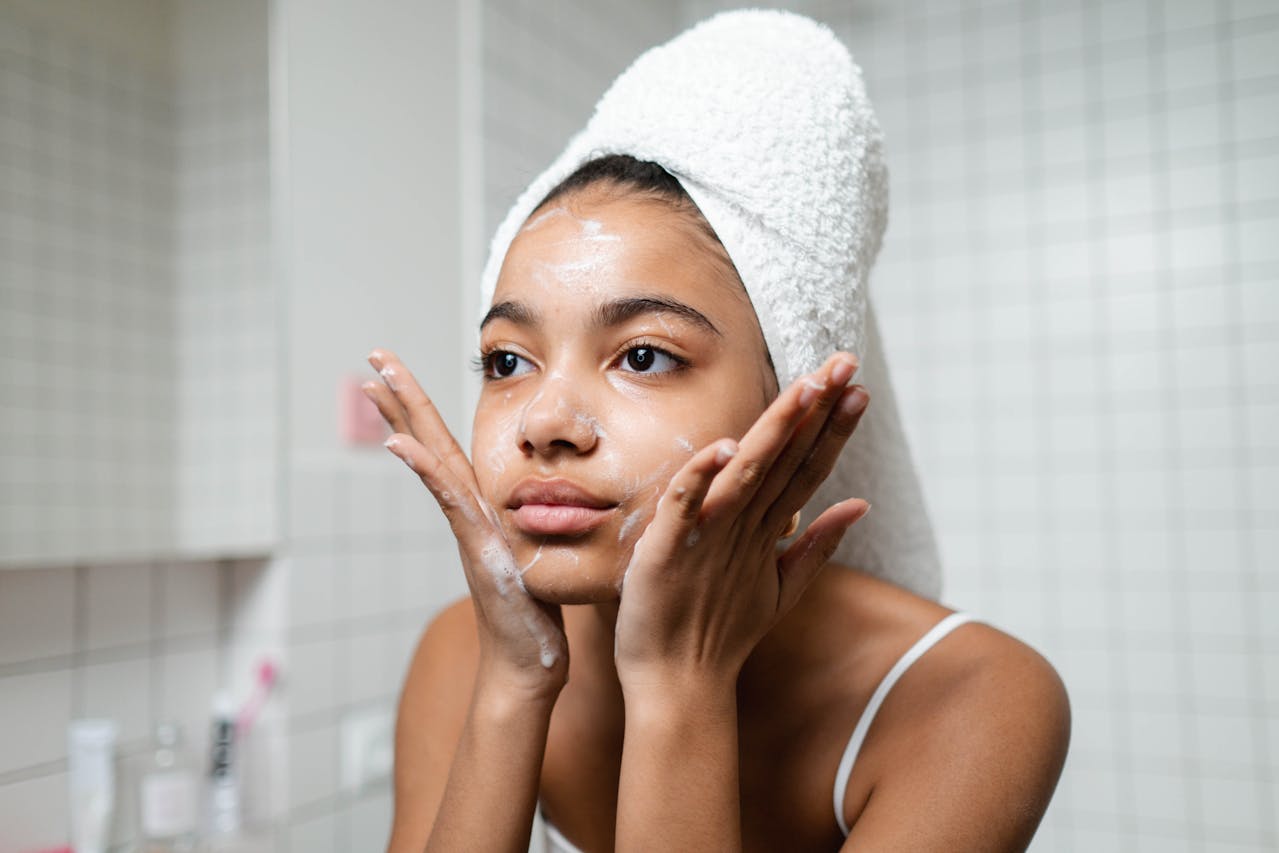
Avoid harsh cleansers that strip away natural oils. Opt for balm or oil cleansers packaged in glass jars or biodegradable tubes. A great choice is UpCircle’s Cleansing Balm, which comes in recyclable packaging and is suitable for sensitive winter skin.
Protect with Sustainable SPF
 Ph. Nadine Wuchenauer (Pexels)
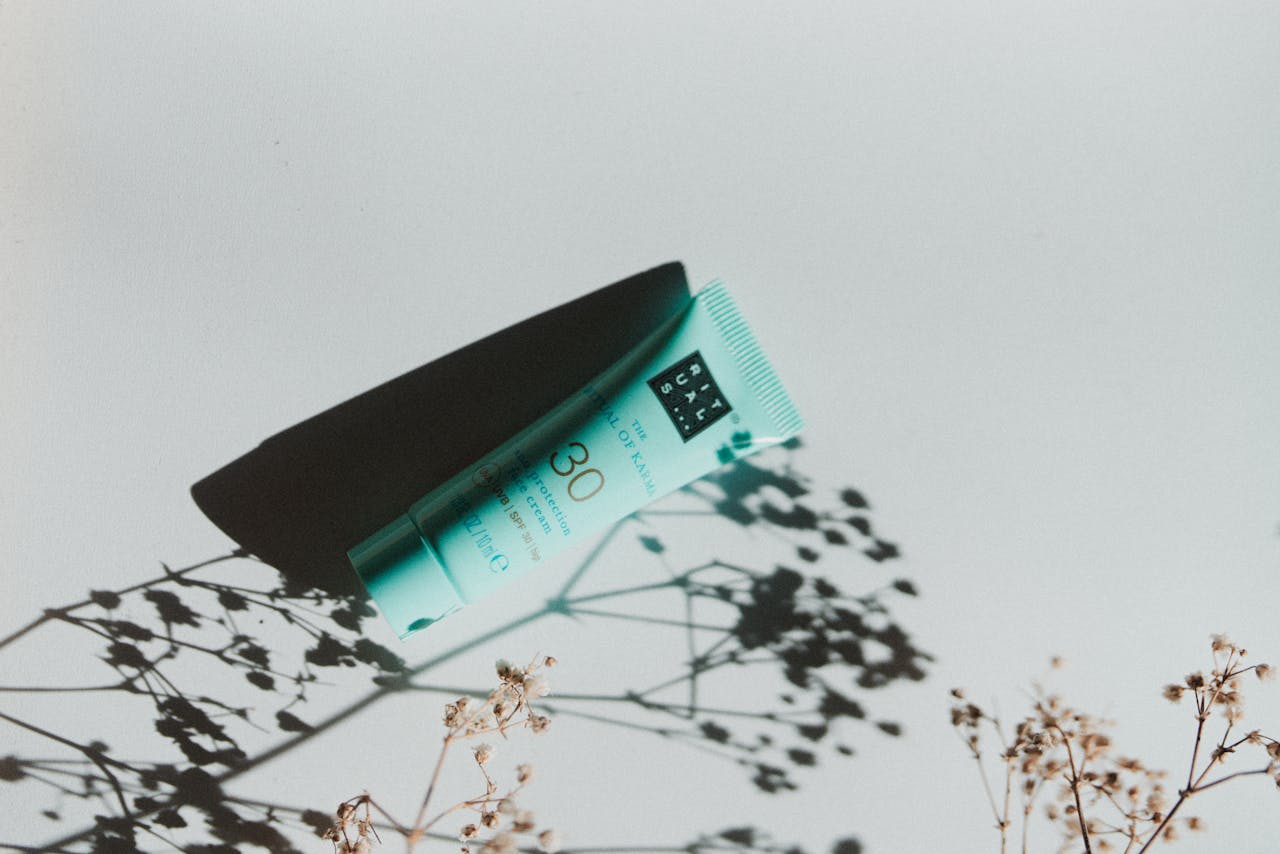
Yes—even in winter, SPF is essential. Choose reef-safe, mineral-based sunscreens in recyclable or refillable packaging. Brands like Beauty Kitchen are paving the way with sustainable SPF solutions.
Hydration from Within
 Ph. Bogdan Giurca (Pexels)
Supporting your skin barrier also means nourishing from the inside. Collagen supplements like Revive Collagen (available in recyclable sachets) help maintain elasticity and hydration throughout the colder months. Pair with plenty of water and herbal teas for a holistic winter routine.
Eco-Friendly Lip & Hand Care
 Ph. Moose Photos (Pexels)
Winter often leaves lips and hands cracked. Look for plastic-free lip balms in cardboard tubes and refillable hand creams. Lush’s naked products and Beauty Kitchen’s refill stations are affordable, sustainable solutions.
Building a Conscious Winter Routine
Sustainable skincare is about more than products—it’s about mindful consumption. Choose multipurpose balms, refill schemes, and brands with transparent sourcing. As highlighted in Fashions Finest beauty section, conscious beauty isn’t just a trend, it’s a lifestyle that nurtures both skin and planet.
There is nothing more frustrating than finding the perfect necklace, only to discover that it leaves a green halo around your neck. This guide explains why plated jewellery tarnishes and can cause discolouration on your skin.
 Ph. Cottonbro (Pexels.com)
Plated jewellery can tarnish quickly, turn your skin green, or even cause irritation. Learn how to care for your plated items and find durable alternatives.
What Is Plated Jewellery And Why Does It Tarnish?
Plated jewellery is made by coating a base metal – usually brass, copper, or nickel – with a thin layer of a more desirable metal, such as gold, silver, or rhodium. The coating is often less than 1 micron thick, which means it is incredibly delicate and wears off quickly with regular use.
When the plating fades, the base metal is exposed. These base metals are reactive, particularly in the presence of sweat, moisture, perfume, and skincare products. This reaction is what causes green stains on your skin or the dull, discoloured appearance of your once-glossy necklace.
Why Plated Jewellery Turns Skin Green
Here is what is happening on a chemical level:
- Copper oxidation: Copper is often used as a base metal in plated jewellery. When it reacts with oxygen, water, and acids from your skin or environment, it forms copper carbonate, commonly known as patina. That is the green residue you see on your skin.
- Nickel irritation: Nickel, another common base metal, is one of the most prevalent allergens in the world. Even trace amounts can cause itching, rashes, or redness in people with sensitive skin.
- Moisture and pH: Our skin has a natural pH, and some people’s is more acidic than others. Sweat and skin oils can speed up the breakdown of plating, especially in hot or humid conditions.
What You Can Do If Your Jewellery Is Already Turning Your Skin Green
 Ph. Adrienne Andersen (Pexels.com)
If you already own some plated pieces, there are ways to extend their life and protect your skin:
1. Use A Clear Barrier
Apply a layer of clear nail polish on the back of the jewellery (the part that touches your skin). This creates a protective barrier that prevents direct contact between your skin and the reactive metal.
Tip: Reapply the polish every couple of wears, as it may flake off over time.
2. Avoid Moisture
Remove your jewellery before showering, swimming, or exercising. Water and sweat speed up the tarnishing process and increase the risk of skin discolouration.
3. Store It Properly
Keep plated jewellery in a dry, airtight container or ziplock bag. Oxygen is one of the main causes of metal oxidation. Add a silica gel packet or anti-tarnish strip to absorb moisture.
4. Keep It Clean
After wearing, gently wipe your jewellery with a soft cloth to remove oils, sweat, and any product residue. Avoid abrasive cloths or harsh chemicals.
5. Rotate Your Collection
Avoid wearing the same plated piece every day. Give it a break so it will not wear out too quickly.
6. Use A Jewellery Sealant
Jewellery-specific sealants are available online and form an invisible coating, similar to clear nail polish, but often more durable and safe for sensitive skin.
Is It An Allergy Or Just A Reaction?
It is easy to assume that you are allergic to plated jewellery, but in many cases, it is not an allergy – it is a reaction. If your skin turns green but is not itchy or irritated, the stain is likely due to oxidation, not an allergic response.
However, if you notice redness, bumps, or persistent itching, you may be sensitive to nickel or other metals. In that case, you may need to switch to hypoallergenic materials, such as surgical stainless steel, titanium, or solid gold.
Why Stainless Steel Is A Better Everyday Option
 Ph. Glamourpixel (Pixabay)
If you are tired of dealing with green skin, tarnish, and constant polishing, stainless steel necklaces might be the solution you did not realise you needed. It is not just for cutlery; modern stainless steel jewellery is stylish, versatile, and built to last.
1. Durable And Tarnish-Resistant
Stainless steel does not tarnish or oxidise. It can withstand water, sweat, and daily wear without changing colour or breaking down. That means you can wear it to the gym, in the shower, or on holiday without worry.
2. Hypoallergenic
Most stainless steel jewellery is hypoallergenic, particularly grades like 316L (surgical-grade). This makes it ideal for sensitive skin and those who react to nickel or copper.
3. Low Maintenance
Unlike plated jewellery that requires careful cleaning and storage, stainless steel is virtually maintenance-free. A quick wipe with a soft cloth is usually all it needs.
4. Cost-Effective
While stainless steel pieces may cost a little more than fast-fashion plated alternatives, they last significantly longer. Over time, this makes them more economical.
5. Modern, Versatile Aesthetic
Stainless steel jewellery has a contemporary look that works well with both casual and formal outfits. It blends easily with other metals, making it a great base for layering.
Can You Shower With Stainless Steel Jewellery?
 Ph. Polina Tankilevitch (Pexels.com)
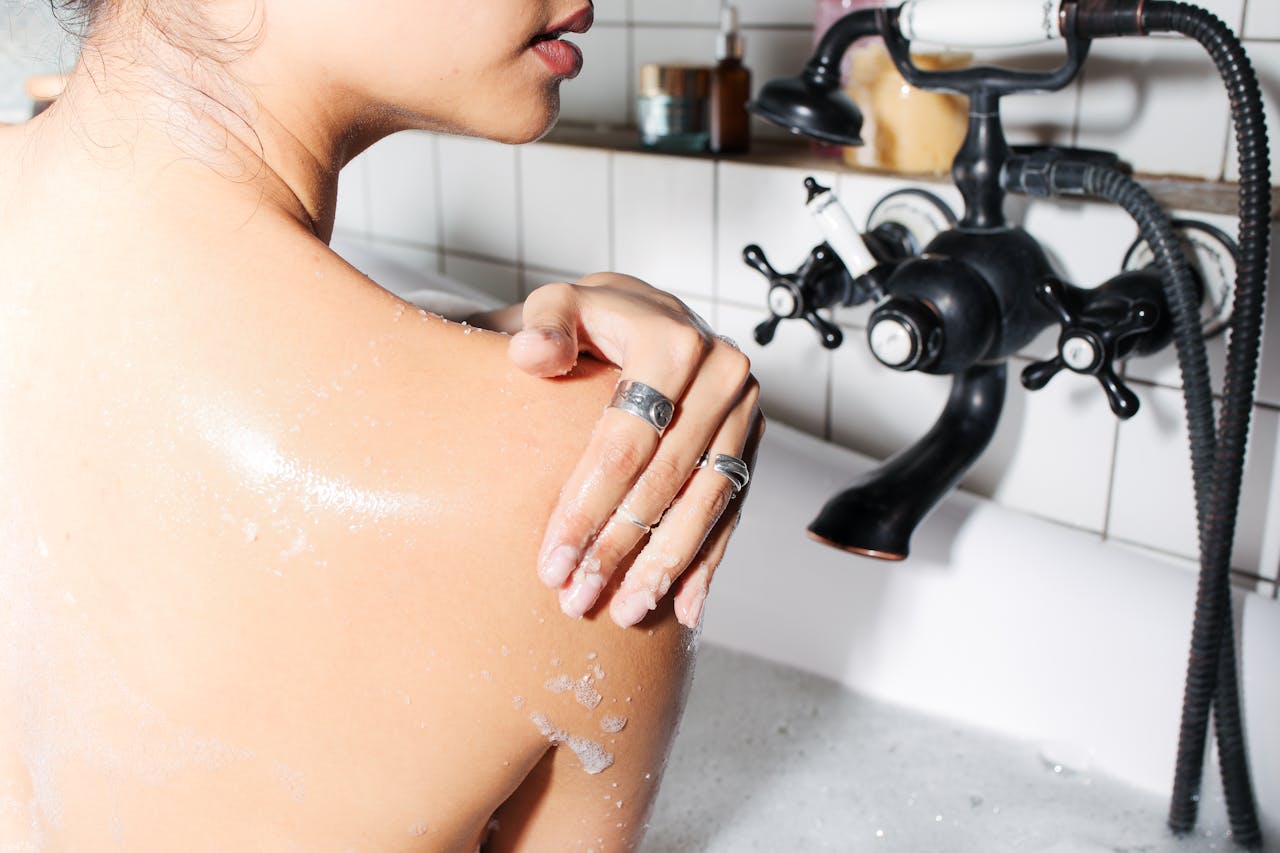
Yes, and this is one of the biggest benefits of stainless steel. Unlike plated jewellery, stainless steel will not rust or corrode when exposed to water. You can swim, sweat, and shower without worrying about ruining your necklace or bracelet. That said, if your stainless steel piece includes stones or mixed materials, check the care instructions as those parts may require gentler handling.
What About Gold-Filled Or Vermeil?
Gold-filled: A thick layer of gold (at least 5% of total weight) bonded to a base metal, usually brass. It is more durable than plated jewellery and does not wear off easily.
Vermeil: Sterling silver with a thick gold plating (usually at least 2.5 microns). It is a good middle ground, but still more delicate than stainless steel.
While these are better alternatives to basic plating, they often come with a higher price tag and still require some maintenance.
How To Choose Jewellery That Will Not Let You Down
When shopping for jewellery, consider the following:
Materials To Look For:
Stainless steel (especially 316L or surgical grade)
Solid gold (9ct and above)
Gold-filled or vermeil
Titanium
Sterling silver (with anti-tarnish finish)
Materials To Avoid:
Nickel-heavy alloys
Copper or brass base metals without a protective coating
Low-cost fashion jewellery with no metal information provided
Questions To Ask Before Buying:
Is the piece water-resistant?
What is the base metal?
Is it nickel-free or hypoallergenic?
Is there a warranty or care guarantee?
How To Care For Stainless Steel Jewellery
 Ph. Pinkpress (Pexels.com)
Although it is low maintenance, taking good care of your stainless steel jewellery helps it stay looking its best.
Cleaning Tips:
- Use a soft, damp cloth to wipe down your piece after wearing.
- For deeper cleaning, use mild soap and warm water, then dry with a soft towel.
- Avoid abrasive pads or chemical cleaners, especially if the jewellery is polished.
Storage Tips:
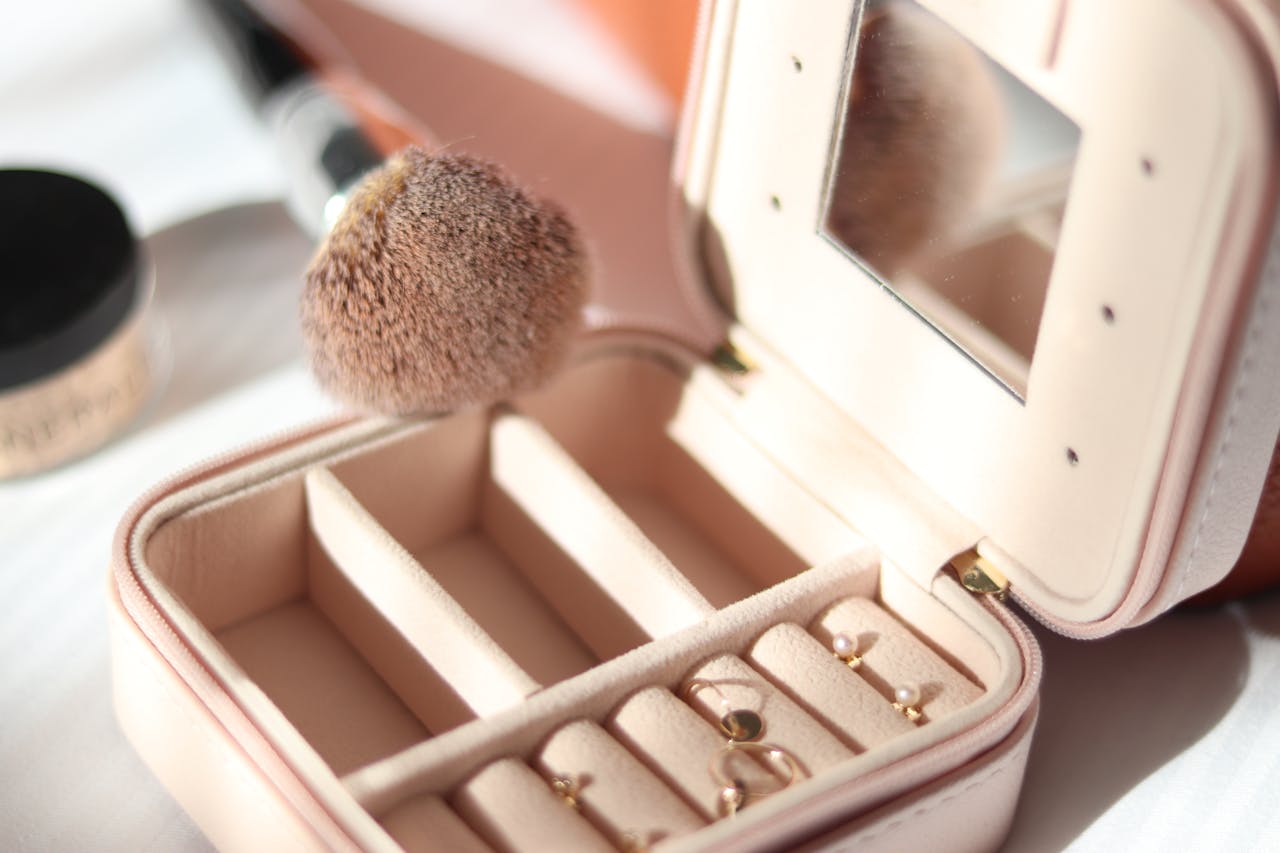
- Store in a dry drawer or jewellery box.
- Keep away from sharp objects that could scratch the surface.
- Group pieces in soft pouches or compartments to prevent tangling.
When It Is Time To Upgrade
We all fall for fast-fashion finds, especially when a piece looks good and doesn’t cost much. But if your jewellery box is full of tarnished, green-skin-causing regrets, it might be time to rethink your buying habits.
A few well-chosen stainless steel pieces can elevate your daily look and eliminate the constant need for replacements. It is about investing in items that serve you, not frustrate you.
Final Thoughts: Jewellery That Matches Your Life
 Ph. Studio_Iris (Pixabay)
Jewellery should make you feel confident, not uncomfortable. If your favourite plated necklace leaves a mark on your skin – or your budget – it is worth exploring smarter alternatives. Stainless steel offers a rare mix of affordability, style, and resilience.
So the next time you are tempted by that £12 “gold” chain online, ask yourself: Will I still want to wear this in six months? Or will it end up at the bottom of the drawer, replaced by something that just works?
Because in the end, jewellery should keep up with your life – not leave a green trail behind.
Sunny days invite you to get your dose of vitamin D and lift your mood outdoors, but have you found your sunscreen and know how to protect yourself from the sun?
 Ph. RDNE Stock Project (Pexels.com)
The sun is a tricky friend: you need to handle it to enjoy its company. Find out how to sunbathe safely and choose the right sunscreen for you in this guide.
Nothing beats the boost of energy and happiness when you enjoy a sunny day outdoors. The importance of sun exposure and vitamin D for our health is undeniable and clinically proven, but taking too much sunlight or being exposed without precaution can have some pesky consequences, which can ruin your skin and health. Sunburns are certainly annoying, but sun damage can go deeper. In this guide, we will explain how UV rays affect your skin, how different sunscreens work and what the label on your sunscreen means. Knowing what you spread on your skin helps you make the most of the sun and get a natural, safe tan.
How UVA And UVB Rays Damage Your Skin
UVA and UVB are familiar nouns by now, but it is good to spend a few lines on them. UV stands for ultraviolet light and is the energy radiated by the sun. This form of energy is released as a light spectrum that comprises UVA, UVB and UVC rays. UVC rays are blocked by ozone, but UVA and UVB rays reach us at different intensities.
UVB rays reach the epidermis, the outer layer of the skin and are responsible for common sunburns, but UVA rays penetrate deeper into the skin. UVAs reach the dermis, the inner layer of the skin, where they cause the most damage. UVA rays are, in fact, accountable for skin ageing. However, excessive or unsafe exposure to both UVA and UVB rays can lead to repeated damage to the DNA at the cellular level and, ultimately, skin cancer. Among the many types of skin cancer, melanoma starts in the melanocytes, the cells that produce the pigment melanin. According to Cancer Research UK, 9 in 10 cases of melanoma in the UK could be prevented with good sun education.
Am I Safe From UV Rays When It Is Cloudy?
 Ph. Virgold (Pexels,com)
Unfortunately not. Up to 90% of UV rays can pass through the clouds. Moreover, even if it feels breezy and cloudy in the UK, the sun's rays are strong enough between mid-October and mid-March to cause damage to your skin. To tell the risk of sunburn and skin damage throughout the year, you can use the UV index in your mobile's weather forecast app. The UV index indicates the sun's ray strength and ranges from 1 to 9+. When the UV index is 3 or higher, it is time to have sunscreen at the ready.
That is why it is a good idea to find the sunscreen that works best for your skin and stock up on it for the year. Yes, but which one?
Mineral Sunscreens VS Chemical Sunscreens
 Ph. Cotton Bro Studios (Pexels.com)
The skincare market is brimming with a wide variety of options, perhaps too many, you might argue. While you cannot skimp on the strength of your ideal sunscreen – as we will find later in this guide – you can choose what is best for your skin and opt for a mineral or a chemical formulation. The difference between mineral and chemical sunscreen lies in the name, and this also influences how they work, how you apply them and how they feel on the skin.
Mineral sunscreens are also known as physical or organic sunscreens. This is because they work as a physical barrier against UV rays, and their active ingredients are minerals such as titanium dioxide and zinc oxide. This type of sun protection sits on your skin like a shield and makes UV rays bounce away.
Chemical sunscreens, on the other hand, contain regulated chemical compounds such as avobenzone, oxybenzone and octinoxate, which work like a sponge by absorbing UV rays and transforming them into heat that dissipates through the skin without damaging it.
Mineral sunscreens feel and apply like thick creams. They have a matte finish, but they leave a white cast on the skin. This white halo is the major disadvantage of mineral sunscreens. Their formula is suitable for dry and sensitive skin, as well as skin prone to acne, eczema, irritation and allergies.
Chemical sun protections feel generally lighter on the skin; they are easier to blend and more water-resistant, a factor which contributes to their longer protection. However, they might cause irritation or reactions in some people due to their main ingredients.
Ultimately, but less known, there are hybrid sunscreens that combine the best properties of physical and chemical sun filters.
How To Use Sunscreens The Right Way
 Ph. Kaboompics.com (pexels.com)
Their different formulas also suggest how to use them. Mineral sunscreens show their full potential from the moment of application, while chemical sunscreens must be applied at least 20 minutes before sun exposure. This is the time it takes for the product to be absorbed into the skin.
Whether you use physical or chemical sun protection, you need to apply an adequate amount and cover every area exposed to the sun. Dermatologists recommend 2 milligrams, the equivalent of a glass shot of your favourite sun filter. However, it is very common to see social media users using their index and middle fingers as a guide for the right quantity. Then, it is recommended to reapply your sunscreen every two hours and every time you sweat or wipe your face and body to ensure protection throughout the day.
SPF, PA And UVA Star Rating Explained
You will find some acronyms and symbols on the label of your sunscreen. The best known is maybe SPF, which can range from 2 to 50. SPF means 'Sun Protection Factor', and its number tells you the difference between how much time your skin will redden without and with sunscreen. The SPF indicates how much your product protects you from UVB rays, but not against UVAs.
To find out how your sunscreen will protect you from UVA rays, you need to look at either the PA or the UVA Star rating systems. They both refer to the protection against UVA rays, but they are used in different countries and apply different methods and metrics.
The 'PA' stands for Protection Grade of UVA and was first developed in Japan. This system ranges from the lowest level of PA+ to the highest PA++++. It is still used in Japan and other Asian countries, including South Korea.
The UK uses the UVA Star system instead. A circle where the number of stars, from 1 to 5, shows how strong the UVA protection offered by the product will be.
Which Level Of Sun Protection Is For Me?
 Ph. Koolshooters (Pexels.com)
If the choice between a mineral and chemical sunscreen is totally up to you, you should play it safe with the level of UVA and UVB protection. The sun protection recommended by the NHS and Cancer Research UK is a minimum of SPF 30 with a UVA protection of 4 or 5 stars. Opt for SPF 50 if your skin is fair or you plan to be outdoors for longer.
Tips For A Healthy Sun Exposure
 Ph. Leah Newhouse (Pexels.com)
Finding the right sunscreen and adequate level of protection is probably the hardest part, but protecting yourself from the scorching sun goes beyond shopping for skincare.
- Follow these essential tips to fully enjoy the brightest days:
- Avoid the sun or stay in the shade during the hottest hours of the day. In the UK, these are between 11 am and 3 pm.
- Cover your legs and arms with breathable clothing and apply a body sunscreen to exposed areas, such as your hands.
- Wear a wide-brimmed hat and protective sunglasses in the sun. Wrap-around sunnies offer the best protection for the eye area.
- Do not forget to protect the little ones of the family with breathable but protective clothing and sunscreen for sensitive skin or specifically formulated for babies' skin.
Free from sunburns and with complete peace of mind, you will enjoy an entire holiday in an exotic destination or the privacy of your garden.
Time to update your skincare routine for the season? If your skin needs extra attention when the temperatures rise, it will welcome these skincare treatments.
 Ph. Sora Shimazaki - Pexels
From cleansers that strengthen your skin barrier to family-friendly sunscreens, these skincare treatments will keep you protected day and night.
Elizabeth Grant Skin Care Collagen Re-Inforce 3D Cleanser
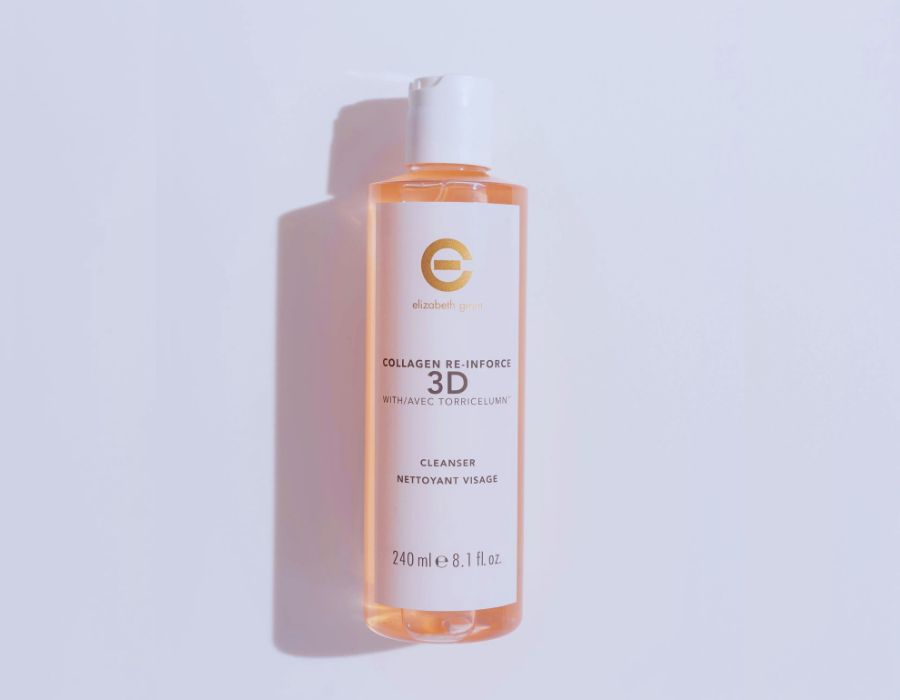
It cleanses, fortifies and firms your skin as you wash your face to prepare for the new day or your beauty sleep.
Elizabeth Grant Skin Care Collagen Re-Inforce 3D Cleanser is formulated with marine and plant collagen, peptides and the brand's proprietary Torricelumn™ to support and strengthen skin's structure. Harnessing Deep Epidermal Skin Strengthening (DESS) Technology, this cleanser helps rebuild the skin by slowing down the symptoms of ageing and improving the skin’s support structure. With consistent use, the skin appears fuller and more elastic, mimicking the appearance of youthful skin.
In addition to its skin-strengthening properties, Elizabeth Grant Skin Care Collagen Re-Inforce 3D Cleanser also fortifies the skin's moisture barrier, making it feel stronger and more resilient. It protects the skin from environmental stress, which is one of the primary causes of accelerated ageing. This face cleanser is ideal for you if your main concerns are loss of firmness, lines and wrinkles.
Elizabeth Grant Skin Care Collagen Re-Inforce 3D Cleanser is available from Debenhams and elizabethgrantuk.com at £21.
Dr.Althea Gentle Vitamin C Serum
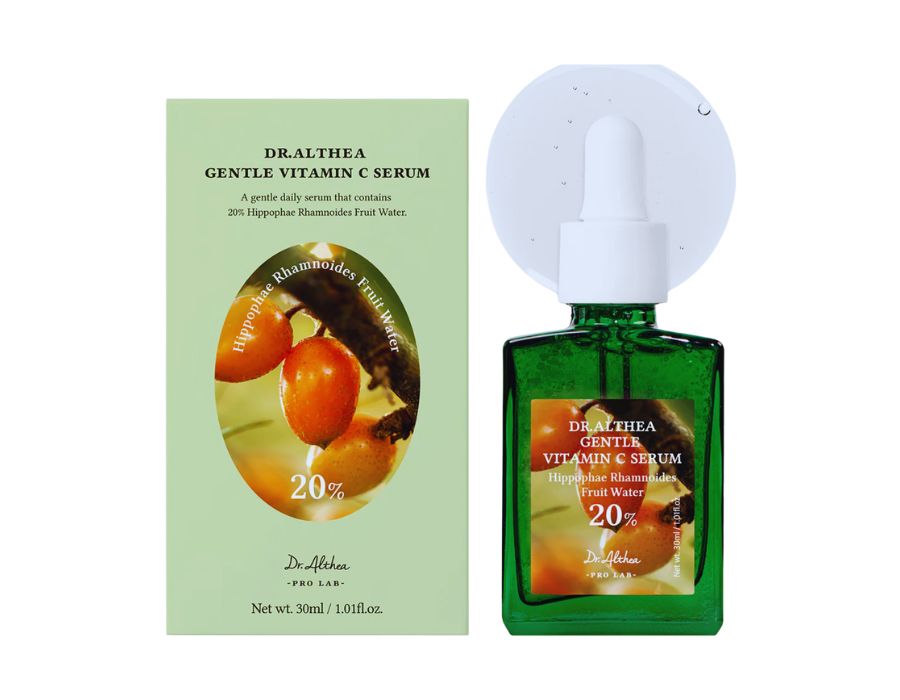
If vitamin C usually feels too harsh on your skin, Dr.Althea offers you a gentle alternative. Its Gentle Vitamin C Serum is a brightening powerhouse thoughtfully designed for sensitive, acne-prone, or first-time vitamin C users. Its feather-light, watery texture absorbs easily without stickiness, making it a comfortable addition to any skincare routine.
Formulated with just a handful of skin-loving ingredients, this serum helps visibly fade dark spots, even out tone and support skin elasticity, all while delivering a generous dose of hydration. Its innovative oil capsule delivery system ensures each application preserves the potency of vitamin C, offering targeted absorption for clearer, more radiant skin over time. Its key ingredients, such as antioxidant-rich Hippophae Rhamnoides Water, 5% niacinamide, and 3 O-Ethyl Ascorbic Acid, work in harmony to strengthen the skin barrier and restore glow without irritation.Its key ingredients, like antioxidant-rich Hippophae Rhamnoides Water, 5% niacinamide, and 3 O-Ethyl Ascorbic Acid, work in harmony to strengthen the skin barrier and restore glow without irritation.
Dr.Althea Gentle Vitamin C Serum is available online at Boots, Glam Touch (£19.99) and on Amazon (£20.99).
Embryolisse Lait-Créme Concentré Moisturiser

A skincare treatment loved by dermatologists, it is hard not to fall in love with. Embryolisse Lait-Créme Concentré Moisturiser is the iconic face cream that simplifies your skincare routine with its comfortable and multipurpose formula.
Rich in essential fatty acids and vitamins, this milky cream provides the moisture any dry skin needs for suppleness and smoothness. Embryolisse Lait-Créme Concentré Moisturiser finds its place in your skincare regime effortlessly, from sun rise to sunset. You can use it as a classic moisturiser, a primer and a makeup remover, but its versatility goes way beyond skincare: it is an all-over beauty hack.
Embryolisse Lait-Créme Concentré Moisturiser is available online at sephora.co.uk (£21.99).
SOS Serum Skincare SOS SPF 50 Sun Cream

Sun protection is vital all year round, but especially in summer, when you are more exposed to UV rays. SOS SPF 50 Sun Cream provides 5* UVA/UVB and blue light protection for face and body with ultra-sheer Zinc Oxide. Its formula also contains Vitamin E and Soy Bean Stem Cells to fight inflammation and photo-ageing. SOS sun cream is reef-safe, fragrance-free and non-whitening; it is perfect for all skin types, including children.
SOS Serum Skincare SOS SPF 50 Sun Cream is available at the retail price of £17 from sosserum.co.uk, Amazon and Superdrug.
Find the treatment that best suits your needs and update your skincare routine with ease.
According to Swedish ecopreneur Bengt Rittri, microplastics are not just an environmental issue but a global emergency. Is there anything you can do to reduce them?
 Ph. Yaroslav Shuraev - Pexels
Microplastics are tiny travellers and have been found in the ocean depths. Learn more about this pollutant and why your lifestyle choices matter.
Why Microplastics Are Considered An Emergency For The Environment
An international study published in Nature found that microplastics have spread so widely and deeply in the oceans that their presence can pose a threat to key biological processes, which are essential for maintaining marine life and regulating the climate. Popular and scientific concerns also focus on how microplastics can enter the food chain and end up on our tables and in the water we drink.
What Are Microplastics?
 Ph. Alfomedeiros - Pexels
Small and widespread, but what are microplastics? Microplastics are tiny particles of plastic materials that are smaller than 5 millimetres. The Natural History Museum has described them as the "greatest man-made disasters of our times" and, indeed, our consumption habits, our lifestyle, careless waste management and littering are responsible for them.
While some microplastics can form naturally from the disintegration of plastic exposed to the sun, some are intentionally created for different purposes. This is the case with industrial abrasives, paints and even regular face scrubs with microbeads. Our wardrobe and washing habits can also be a daily source of microplastics. Synthetic fabrics like nylon and polyester can shed minuscule microplastic fibres, with an estimated release of more than 700,000 units per washing cycle.
10 Daily Swaps To Reduce Microplastic Production And Exposure
 Ph. Cotton Bro - Pexels
Following the environmental study, Bengt Rittri, the Founder of the clean drinking water solution Bluewater, emphasised: “It is painfully clear that we’ve allowed plastic pollution to compromise the planet’s life-support systems. This is not just about litter or aesthetics, but protecting the integrity of Earth’s oceans and atmosphere. Microplastics are a planetary emergency.”
Small actions can lead to big changes, so here is a list of 10 simple changes you can make to your daily routine to reduce the production and exposure to microplastics:
- 1) Replace single-use plastics with durable options: single-use plastic cutlery, dishes, and cups can last for centuries in the environment. Ceramic, glass and stainless-steel containers and bottles are more durable, safer and easier to wash.
- 2) Avoid reheating food in their takeaway boxes: when you briefly pop your takeaways in the microwave, dangerous chemicals like BPA and phthalates can leach into your food. The same happens when you drink a hot beverage in plastic cups.
- 3) Do not wash plastic materials in the dishwasher: washing plastic containers in the dishwasher could save you time, but the environment will not be happy. Each load can release millions of nano and microplastic particles.
- 4) Swap your regular scrub for a natural-based option: some face and body scrubs still rely on microbeads to exfoliate your skin. Choose eco-friendly scrubs that use natural microbeads as exfoliant agents to reveal silky skin. To take things a step further, look for plastic-free packaging or "naked" beauty products.
- 5) Cut down on synthetic clothing: synthetic clothes can be lighter and cheaper, but they release microplastic fibres during washing. Organic cotton, wool, linen... you have many natural choices ("many natural choices" links to the last blog when online) for every season.
- 6) Add a special filter to your washing machine: did you know that you can install a fibre-catching filter in your washing machine or use a laundry ball? The first will block the fibres before they reach the water pipes; the second will prevent or capture the fibres floating in the water.
- 7) Air-dry your clothes if possible: tumble dryers are a quick way to dry your clothing, but their mechanical action can weaken fabrics and cause them to shed. Instead, make the most of every sunny day or the driest room in your home.
- 8) Drink filtered tap water: you can reduce plastic waste and save on still water by using a purifying water filter or a filter jug.
“Every action matters, and every single-use plastic bottle not used is a step toward restoring planetary health,” Rittri added. “As a purpose-driven company, we call on global leaders, businesses, and citizens to act now to eliminate single-use plastic bottles and support sustainable water solutions.”
- 9) Your tea bag matters too: although the majority of tea bags are made of paper or natural materials, some brands still use polypropylene to heat-seal their tea bags. Worry not. You can enjoy a plastic-free cup of tea by trying eco-conscious brands, like Pukka or Yogi Tea, or loose tea.
- 10) Reuse and recycle: be careful how you dispose of old plastic items. Plastic can have another life and new purposes, far from the oceans and landfills.
Microplastics are a global emergency, but we can all do our part to have purer waters and a cleaner planet. One (saved) bottle at a time.
As the fashion industry grapples with its environmental impact, UK-based brands and consumers are increasingly turning to sustainable materials.
 Ph. Krsvch - Pexels
From plant-based leathers to traditional fibres produced sustainably, the UK is at the forefront of the green revolution with these new eco-friendly materials.
What Are The Sustainable Materials Currently Available To The Fashion Industry?
Sustainable fashion is no longer a niche in the UK – it is a growing movement. With environmental concerns on the rise, UK-based brands, designers, and consumers are prioritising eco-friendly materials that are both stylish and conscious of the planet. Whether you are a fashion entrepreneur or a conscious consumer, here is a guide to the best eco-friendly materials currently shaping the UK's fashion industry.
1. Organic Cotton
 Ph. Teona Swift - Pexels
Organic cotton is grown without harmful pesticides or synthetic fertilisers and uses significantly less water than conventional cotton. Organic production supports healthier soil and results in fabric suitable for sensitive skin. Organic cotton is certified by standards like GOTS (Global Organic Textile Standard), which guarantees compliance with environmental and social criteria, protecting not only the planet but also the rights and well-being of all workers.
Many UK sustainable fashion brands, including Lucy & Yak, Finisterre and Yes Friends, rely on organic cotton to reduce their environmental footprint.
2. Hemp
Hemp is a low-impact crop requiring minimal water and no pesticides. It is naturally durable and breathable, perfect for year-round clothing. Its fast-growing nature makes it one of the most sustainable natural fibres.
3. Organic Linen
 Ph. Engina Kyurt - Pexels
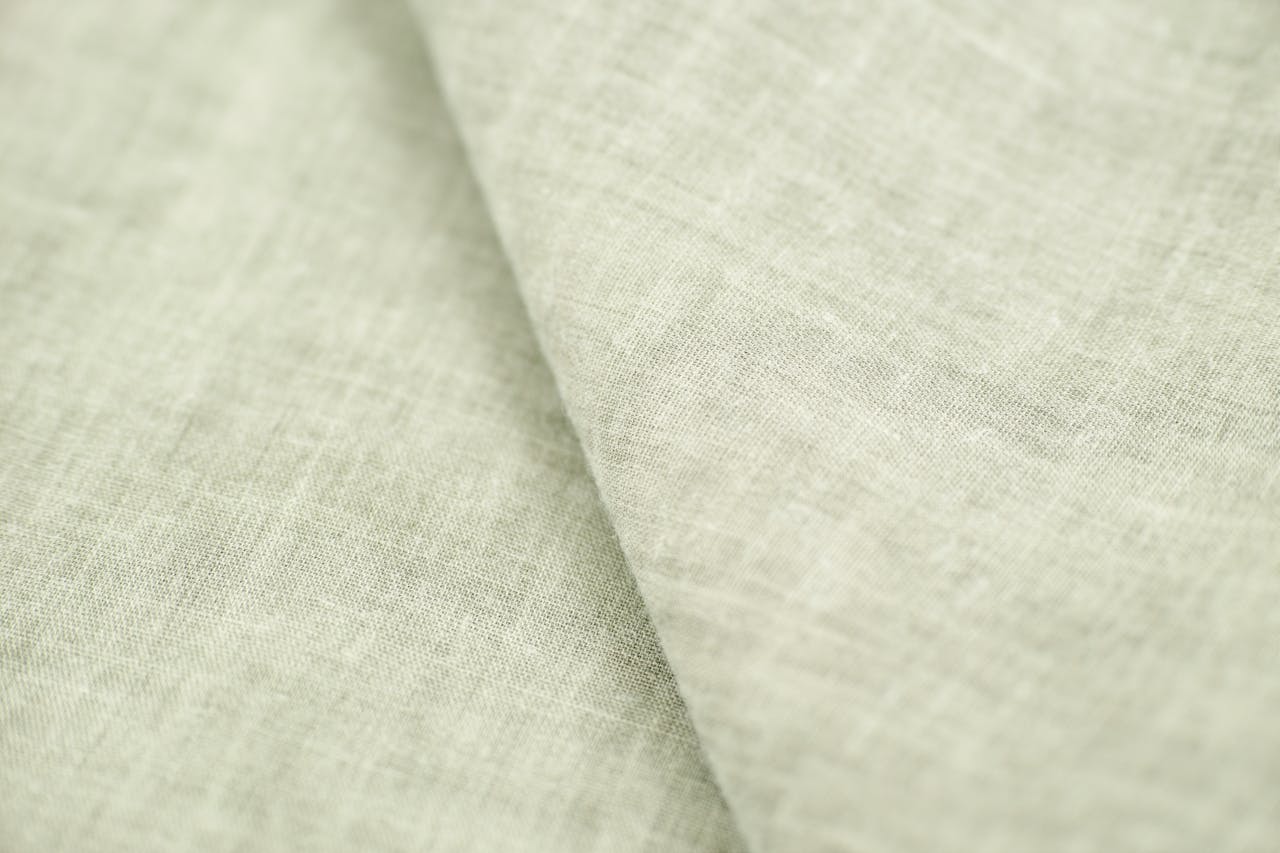
Produced for millennia, linen has lost much of its popularity with the rise of cotton, but it remains one of the most sustainable fabrics brands can choose. Linen is produced from flax, a crop that does not require extensive irrigation or pesticides, and it is completely biodegradable when not dyed. The natural colour range of untreated linen includes ecru and beige, soft shades that add a touch of sophistication to this breathable and durable fabric.
4. TENCEL™ (Lyocell)
TENCEL™, made from sustainably sourced wood pulp, is produced in a closed-loop process that reuses water and solvents. It is silky-smooth, biodegradable, and a great alternative to synthetic fabrics.
5. Piñatex®
 Ph. Quang Nguyen Vinh - Pexels
Piñatex® is a plant-based leather alternative made from pineapple leaf fibres produced by Ananas Aman. It provides a second income for farming communities and helps reduce agricultural waste. Piñatex® is a cruelty-free, flexible and durable material that can be debossed and embellished with embroideries, making it suitable for sustainable bags and footwear.
6. Recycled Polyester And Recycled Nylon
Recycled polyester, made from post-consumer waste like plastic bottles, helps reduce landfill and carbon emissions. It uses up to 59% less energy than virgin polyester. Similarly, recycled nylon made from old fishing nets and textiles is being used across UK fashion brands.
7. Kelsun®
Kelsun® is an innovative material developed by Keel Labs from seaweed. This new sustainable material is made from seaweed-derived biopolymers, and it can be transformed into yarns and fabrics, finding application in many sectors, including apparel. The resulting fabric is biodegradable, non-toxic, flame-resistant and anti-bacterial. Using textiles and materials derived from algae can be extremely beneficial to the environment, as seaweed absorbs CO2 like trees, but it grows at a fast pace without the need for pesticides or fresh water.
8. Innovative UK-Based Sustainable Clothing Materials
BioSequin®: developed by Radiant Matter, these fully biodegradable, non-toxic and plastic-free sequins are made from cellulose and first debuted in 2023 with the first all-sparkly jumpsuit by designer Stella McCartney and worn by Cara Delevingne.
BioPuff®: a cruelty-free, plant-based thermal insulation developed from bulrush seed heads by Ponda. Its lightness, warmth and water-repellent properties make it a great alternative to feathers and synthetic filling material.
9. British Wool And Regenerative Farming
 Ph. Matthew Duriez - Pexels
UK fashion is reconnecting with its agricultural roots. Labels like Herd, Navygrey, and Lake District Tweed are investing in soft, high-quality British wool and local leather tanneries. This promotes biodiversity, regenerates land, and supports rural communities.
Sustainable Bonus Choice: The UK's Upcycling Movement
 Ph. Algrey - Pexels
In the UK, there are a number of organisations committed to collecting and repurposing unwanted clothing and fabric scraps, as well as initiatives to promote fashion swaps and educate the community. While brands like World Secrets, Helen Kirkum, Spilt Milk and Pikol Clothing are turning discarded textiles into stylish fashion as a counter-movement to fast-fashion culture.
From shoes crafted from antique rugs to shirts made from repurposed tablecloths, upcycling breathes new life into forgotten fabrics.
Conclusion
The UK's fashion industry is embracing a variety of eco-friendly materials, from traditional fibres like wool and linen to innovative alternatives like Piñatex® and BioSequins®. By choosing these sustainable options, brands and consumers alike can contribute to a more environmentally responsible future in fashion.
Getting ready for that long-awaited "I do" can be overwhelming, and one detail might go unnoticed during the preparations: your scent. Follow these expert tips to find the right perfume for your wedding day. Ph. Arran Scense of Scotland
The perfume for your wedding day is more than just a detail: it can charge your big day with deeper meaning and add a memorable touch. Find out more.
Finding your signature fragrance takes time; after all, there is nothing more personal than a perfume and the chemistry it creates with your body. Fragrances can evoke powerful feelings, unique to each person or time of their life. Certain aromas can have a particular association in one's mind; that is why choosing a new fragrance to wear on your special day can unlock a transformative feeling towards those precious moments, which can be cherished for years to come when worn.
If finding your daily perfume is not an easy task, looking for a perfume for your wedding day can feel daunting, so ARRAN Sense of Scotland’s fragrance expert, Lois Bell, shares her advice for brides and grooms looking to enhance their wedding celebrations with a signature scent.
Fragrance Expert Lois Bell On Choosing Your Wedding Scent
 Ph. Jonathan Borba - Pexels
Lois Bell reminds us that there are a few things to consider when picking a wedding fragrance: from the theme of your big day to the intensity of the aroma, allowing brides and grooms to alter the impact of their scent for the ceremony to the evening reception.
Perfumes For The Bride And Groom Based On The Wedding Theme
 Ph. Arran Sense of Scotland
"Destination weddings are great for giving both brides and grooms a unique opportunity to have a bit of fun with picking a scent for the wedding, using the location as the inspiration for the overall aroma.
For example, a summertime beachy wedding would lend itself beautifully to subtle fragrances that contain soft notes. ARRAN's Kildonan collection is a gorgeous option for the wedding perfume for the bride, with delicate floral aromas from violet leaf, orris and lily of the valley. For the groom, the refreshing and zingy Machrie, with layers of sea salt, rock rose, mandarin and patchouli, matches the women's scent perfectly."
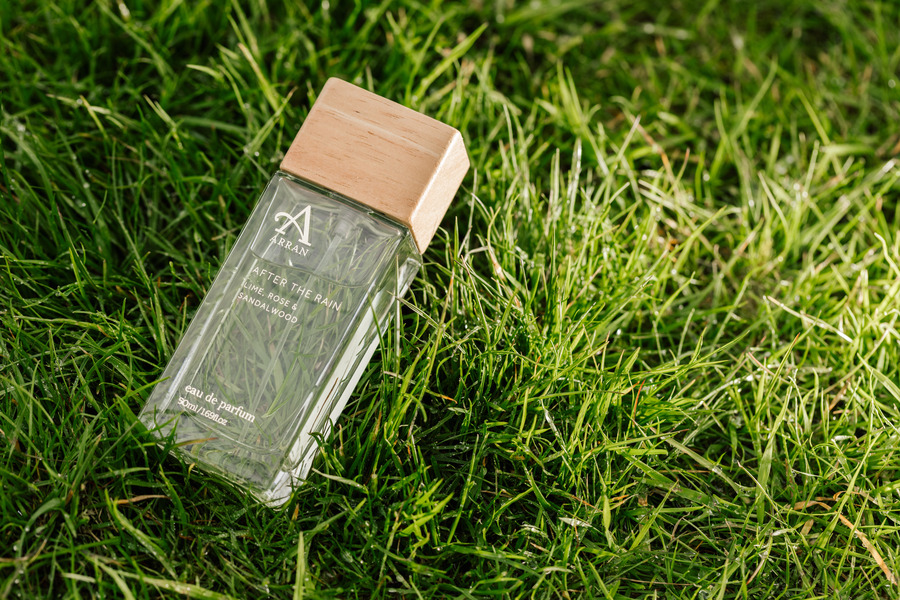
"If you are getting married in the great outdoors," continues Lois Bell, "opt for a nature-inspired fragrance that can lean nicely into the theme. ARRAN Sense of Scotland's best-selling After the Rain woman’s fragrance is utter luxury with layers of lime, rose and sandalwood, creating a multidimensional aroma that is perfect for both day and night time. For him, notes of leather, oud and amber in the Sannox collection are nicely balanced with pink pepper and saffron for a warming aroma that stands the test of time, with up to eight hours of wear."
EdP vs EdT: Which One For Your Wedding Day?
"It’s also important to think about the feeling you want to get from your fragrance on the big day, with some brides and grooms looking for a light scent that isn’t too overbearing, and others wanting a product that will bring intensity and longevity."
Eau de Parfum or EdP is stronger because it contains a higher percentage of perfume oil, around 12-18%, resulting in an intensified, long-lasting scent that continues to delight for around 4-5 hours. The lasting power of EdPs makes them great for evening wear. EdPs are a little more expensive because of the higher levels of perfume oil, but the intensity and longevity make them a special option for your wedding day.
For a subtle scent that offers a lighter feel, an Eau de Toilette or EdT is a pleasure. Featuring a slightly lower perfume oil percentage, around 8-12%, it creates a sumptuous everyday scent, without being too overpowering.
Lois Bell also suggests a new opportunity: transitioning from day to night by wearing an EdT for your ceremony and layering an EdP for the reception.
Last Tip: Test Before Committing To A New Fragrance
 Ph. Mikhail Nilov -Pexels
There is a reason fragrances are as personal as you are. This is because they react differently to each skin, and the scent from the bottle or a perfume card can feel different when it settles on your skin. Lois Bell always recommends testing different fragrances before investing in your favourite, and a great way to do this is by purchasing samples.
You can explore ARRAN Sense of Scotland’s full range of luxury fragrances online and use the fragrance finder to find the best match for your personality.
Warm, cool or neutral? This is the right question when looking for your next foundation, but understanding your skin undertone will also help you find jewellery that pops.
 Ph. Joeyy Lee - Unsplash
If you know how to find your skin undertone, you will nail every look with the perfect makeup and jewellery match. Read on and try this simple test.
What Are Skin Undertones And Why Is It Good To Know Yours?
Your skin undertone is the light hue under the surface of your skin and it influences how colours will appear against your skin. As subtle as it may be, your skin undertone plays an important role in finding the right foundation, the makeup colour palette that enhances your complexion, and even the jewellery that shines harmoniously on you.
Skin undertones are traditionally distinguished into three "warmth" categories – cool, neutral and warm – and finding yours can be as easy as pie. Give this simple test a try and validate it with a jewellery test. In a few minutes, you will have the key to levelling up your looks.
Find Your Skin Undertone With The Vein Test
 Ph. Godisable Jacob - Pexels
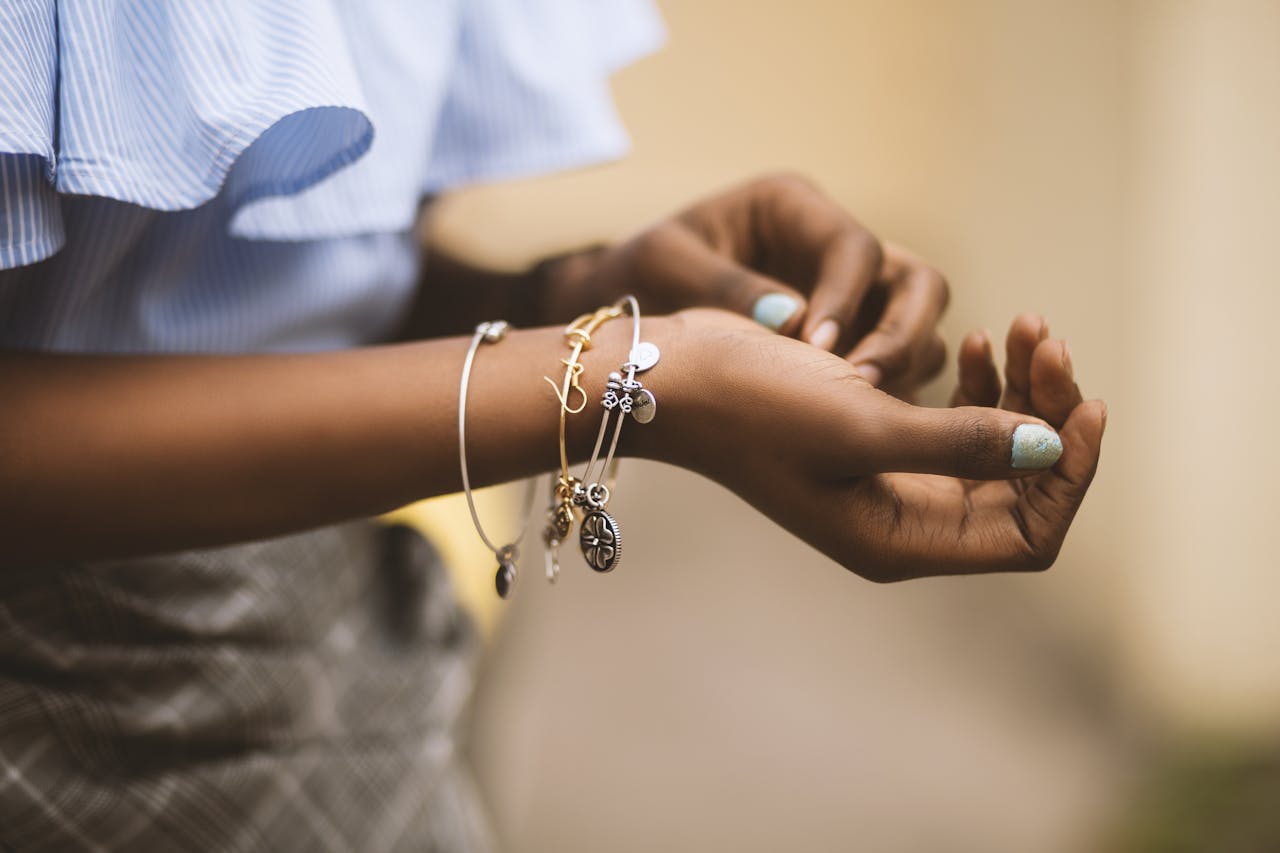
Take a closer look at the veins on your wrist:
- if the colour of your veins tends more towards the green side, your undertone is warm;
- if the veins on your wrist show a mixture of blue and green hues, you have a neutral undertone;
- if your veins look more blue or purple, your skin undertone is cool.
Time For The Jewellery Test
Now that your veins have given you a first result, double-check your undertone with the jewellery test. This is based on your preferences and how you perceive different metals, such as yellow gold, silver and rose gold, on your skin:
- if you are more attracted by yellow-gold hues, your preference can confirm you have a warm undertone;
- if you like how silver and platinum look on you, this can suggest once again that your undertone is cool,
- and if you wear both silver and gold jewellery, your undertone is more likely neutral.
You can also wear accessories in different metals to see which one looks more flattering.
Which Metal And Precious Stones Match Your Undertone
 Ph. Richard Low Hong - Pexels
Your skin undertone can really help you to complete the look by suggesting metals and gems that will best suit your skin:
- If you have a warm skin undertone, yellow gold and rose gold jewellery will work best. To these metal hues, you can wear red gemstones, like rubies and garnet, and green stones like emeralds.
- If you have a cool undertone, silver, white gold and platinum jewellery and accessories will be the most flattering. The same applies to gemstones, with cool-toned stones, like amethyst and turquoise, being your best match.
- If you have a neutral undertone, you can mix and match warm and cool-toned gemstones and metals. You can really let your creativity run wild with your stacking game.
The vein and the jewellery tests are just two of the simple methods to crack the undertone code, but together they allow you to understand what works best for you and never wear a wrong combination again.
In today’s fast-paced world, it is easy to get caught up in stress, distractions, and endless to-do lists. Practising mindfulness exercises can help you find balance and peace.
 Ph. Kelvin Valerio (Pexels.com)
If you feel disconnected or empty, embracing mindfulness can improve your lifestyle and health. Find out how to get started with these daily exercises.
What Is Mindfulness
Mindfulness means being fully present in the moment, perceiving yourself and your body in the surrounding space and noticing all the aspects of reality.
It is common to feel lost in busy work-life routines, but you can reconnect with yourself and become fully conscious of the world around you with simple mindfulness exercises to include in your daily routine, which can help reduce anxiety, improve focus, and enhance your overall well-being.
The good news is that practising mindfulness is for everyone. You do not need to set aside hours to start or have any equipment; it is easy and free. Try these 7 mindfulness exercises to improve your well-being the more you practice them.
Mindfulness Exercises For Your Daily Routine: #1 Morning Breathing Practice
 Ph. Kevin Malik (Pexels.com)
Start your day with a moment of stillness. Before reaching for your phone or rushing into your morning routine, take a few deep breaths. Try the 4-7-8 breathing technique:
- Inhale through your nose for four seconds.
- Hold your breath for seven seconds.
- Exhale forcefully through your mouth by making a "whoosh" sound for eight seconds.
- Repeat the cycle for a total of 4 times.
Why The 4-7-8 Breathing Technique Is Good For Your Well-Being
This simple breathing exercise calms the nervous system and reduces stress levels and anxiety, setting a peaceful tone for the day ahead.
Mindfulness Exercise #2: Mindful Eating
Instead of eating on autopilot and in a rush, take the time to truly enjoy your meals. This exercise invites you to slow down at the table and pay closer attention to your food and its aromas. Chew slowly, savouring each bite, and appreciate flavours and textures.
Why Mindful Eating Is Good For Your Well-Being
Eating mindfully not only enhances your enjoyment of food but also improves digestion and prevents overeating. It also helps you understand when hunger is real and when it is emotional.
Mindfulness Exercise #3: The 5-4-3-2-1 Grounding Technique
Whenever you feel overwhelmed, this quick mindfulness exercise can help bring you back to the present moment. Simply focus on:
- 5 things you can see
- 4 things you can touch
- 3 things you can hear
- 2 things you can smell
- 1 thing you can taste.
Why The 5-4-3-2-1 Grounding Technique Is Good For Your Well-Being
This grounding technique is particularly useful for reducing anxiety and refocusing your mind.
Mindfulness Exercise #4: Mindful Walking
 Ph. Liza Summer (Pexels.com)
Transform your daily walks into a mindfulness practice by paying close attention to your surroundings. Notice the feeling of your feet touching the ground, the rhythm of your breath, and the sounds of nature or the city around you.
Why Mindful Walking Is Good For Your Well-Being
Walking mindfully helps clear your mind and allows you to reconnect with the present.
Mindfulness Exercise #5: Gratitude Reflection
 Ph. Roman Odintsov (Pexels.com)
Take a moment each day to reflect on three things you are grateful for. This could be something as simple as a sunny day, a kind gesture from a friend, or a delicious cup of coffee.
Why Practising Gratitude Is Good For Your Well-Being
Practising gratitude shifts your focus from what is missing to what you have, fostering a more positive mindset.
Mindfulness Exercise #6: Body Scan Meditation
Try a body scan meditation to release tension and promote relaxation. Close your eyes and mentally scan your body from head to toe, noticing any areas of tightness or discomfort. Breathe into those areas, allowing them to soften.
Why The Body Scan Meditation Is Good For Your Well-Being
This practice helps you unwind and reconnect your mind and body, and these to the present moment. If done before going to bed, it can improve the quality of your sleep.
Mindfulness Exercise #7: Digital Detox Breaks
Throughout the day, take short breaks from screens. Set aside five minutes to simply sit down and breathe, look out of a window, or step outside for fresh air.
Why Digital Detox Is Good For Your Well-Being
Being mindful of your screen time reduces stress and improves focus.
Mindfulness does not require hours of meditation or major lifestyle changes. By incorporating small, intentional moments of awareness into your routine, you can cultivate a greater sense of calm, clarity, self-compassion and well-being.
As the days get longer and nature awakens, the arrival of spring calls for a fresh new fragrance wardrobe. Explore the scent trends for spring 2025 to find your love-at-first-spritz perfume.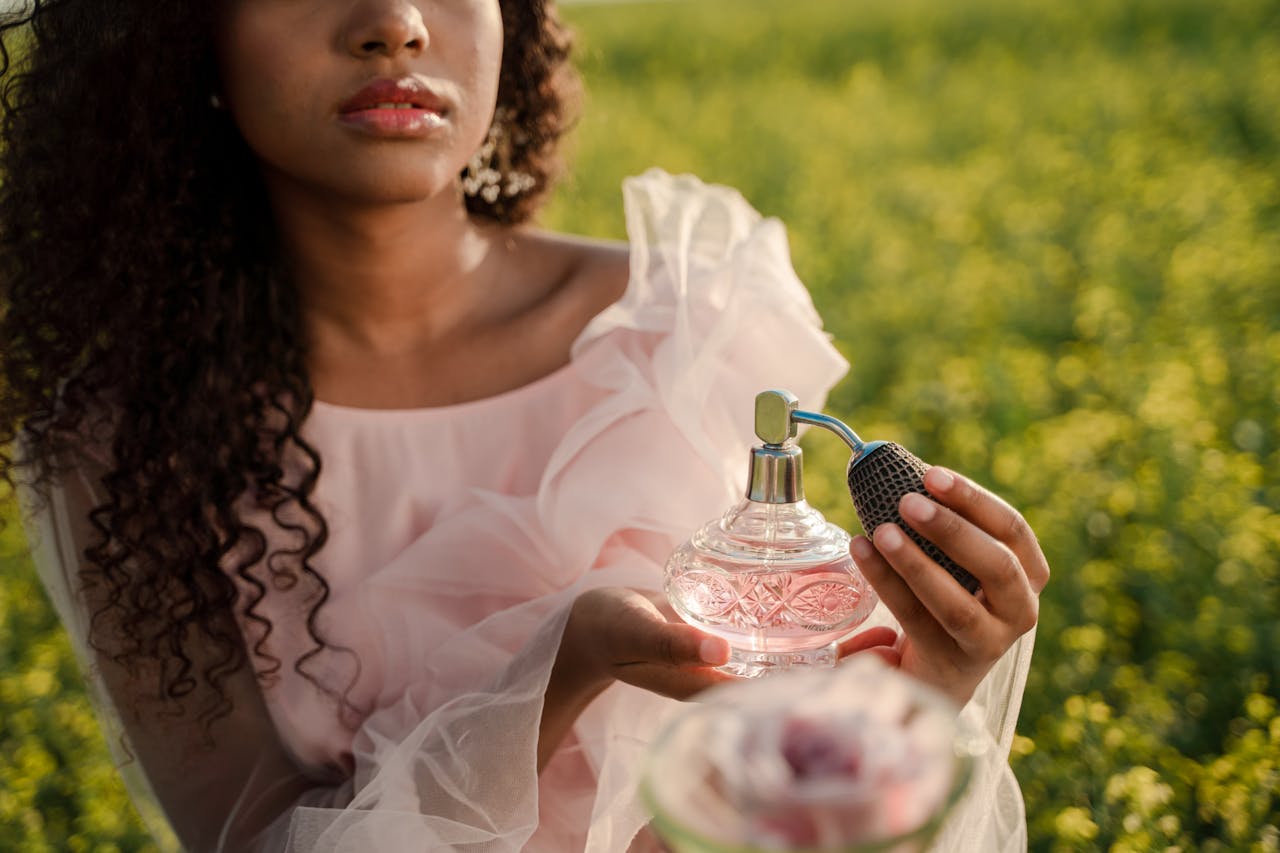 Ph. Ron Lach (Pexels.com)
Spring 2025 is all about light, uplifting and nature-inspired perfumes with a twist. These scent trends will allow you to evolve with the season.
Changing your perfume depending on your mood, time of the day, and season is reinvigorating and gives you plenty of opportunities to manifest your personality. This spring, expect classic florals reinvented, airy citrus notes, and surprising earthy undertones that bring a sense of renewal and adventure.
Spring 2025 Scent Trend #1: Blooming Florals With A Modern Edge
Florals for spring may not be groundbreaking, but this year they come with an innovative touch. Traditional springtime favourites like rose, peony, and jasmine are reimagined with crisp, green nuances and herbal accents. Think wildflower bouquets infused with hints of basil, mint, or even tomato leaf for a fresh, outdoorsy feel.
Scent Trend #2: Citrus And Green Tea Revival
 Ph. Pavel Danilyuk (Pexels.com)
Zesty citrus has always been a spring staple, but 2025 sees it evolving into something more sophisticated. Instead of just lemon and orange, perfumes now blend pomelo, yuzu, and bergamot with green tea accords for a crisp yet calming effect. These scents offer a clean, uplifting energy – perfect for bright, sunny days.
Scent Trend #3: Watery And Airy Notes
 Ph. Jay Castor (Pexels.com)
Soft aquatic scents are making a splash this season, inspired by dewy mornings and fresh spring rain. Expect transparent, ozonic fragrances featuring notes of sea salt, lotus and water lily. These perfumes create a light, ethereal presence – ideal for those who love understated elegance.
Scent Trend #4: Earthy And Grounding Accords
In contrast to the usual sweetness of spring, 2025 introduces earthy elements to balance floral and citrus fragrances. Vetiver, moss, and softwoods add depth and grounding energy. These natural and nature-inspired scents provide a connection with the earth. Perfect for those embracing mindfulness and sustainability.
Scent Trend #5: Gourmand With New Tastes
Springtime gourmand scents are shifting away from heavy vanilla and caramel towards lighter and more refreshing interpretations. This season delights you with subtle notes of almond blossom, honey, fig, and even matcha tea. These fragrances provide a touch of indulgence without feeling overwhelming.
Scent Trend #6: Gender-Fluid And Minimalist Perfumes
 Ph. Artem Podrez (Pexels.com)
Spring 2025 sees an increase in minimalist and unisex fragrances that focus on clean, fresh accords. Scents featuring linen, cotton flower, and white musk create an effortlessly chic and timeless appeal. These understated fragrances work perfectly for those who prefer a ‘second skin’ scent.
The scent trends of spring 2025 celebrate nature, freshness and unexpected contrasts. Whether you gravitate towards floral, citrus, or earthy scents, there is a new wave of fragrances designed to awaken the senses and refresh your style for the season.